After one week in Colombia, we are rapidly rearranging our favourite countries of South America list!We flew from Rio de Janeiro to Cartagena via Bogota last Thursday. The journey was pretty uneventful thankfully, though it was interesting to see that after one case of coronavirus on the whole continent, the airport staff were already super on it with preventative measures. After a long day of travelling, we arrived at our hostel in the Getsemaní district of Cartagena.
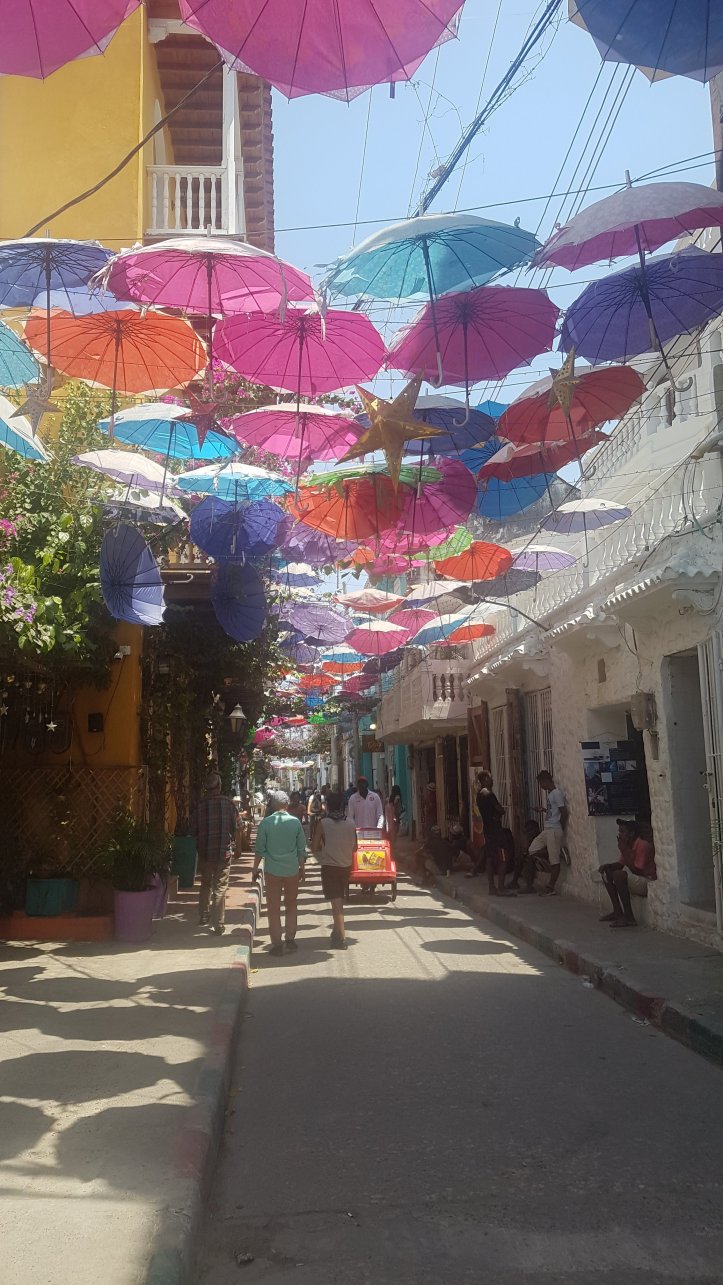
A quick history/geography lesson to put things in context: Cartagena is on the north coast of Colombia, next to the Caribbean. It was named after Cartagena in Spain and the similarities between the cities make it easy to see why. It was a vital port in Spanish colonial times, facilitating the import of African slaves and the export of Peruvian silver. Because it was so important, a wall was built around the city and a fortress built to protect it. These are both still standing with very little damage. Inside the walled city are lots of beautiful houses, expensive restaurants and shops. Outside the wall is Getsemaní, the old red light district which is now full of hostels and cheap places to buy street food (and beer!) and is therefore popular with backpackers. Cartagena is the wealthiest and most expensive city in Colombia.But back to us!We arrived in the evening and immediately went out to explore the vicinity. The streets were all beautiful with lots of street art in the walls and brightly coloured bunting strung up overhead. Buildings were painted in various colours and often had bougainvillea growing from balconies or up the walls.
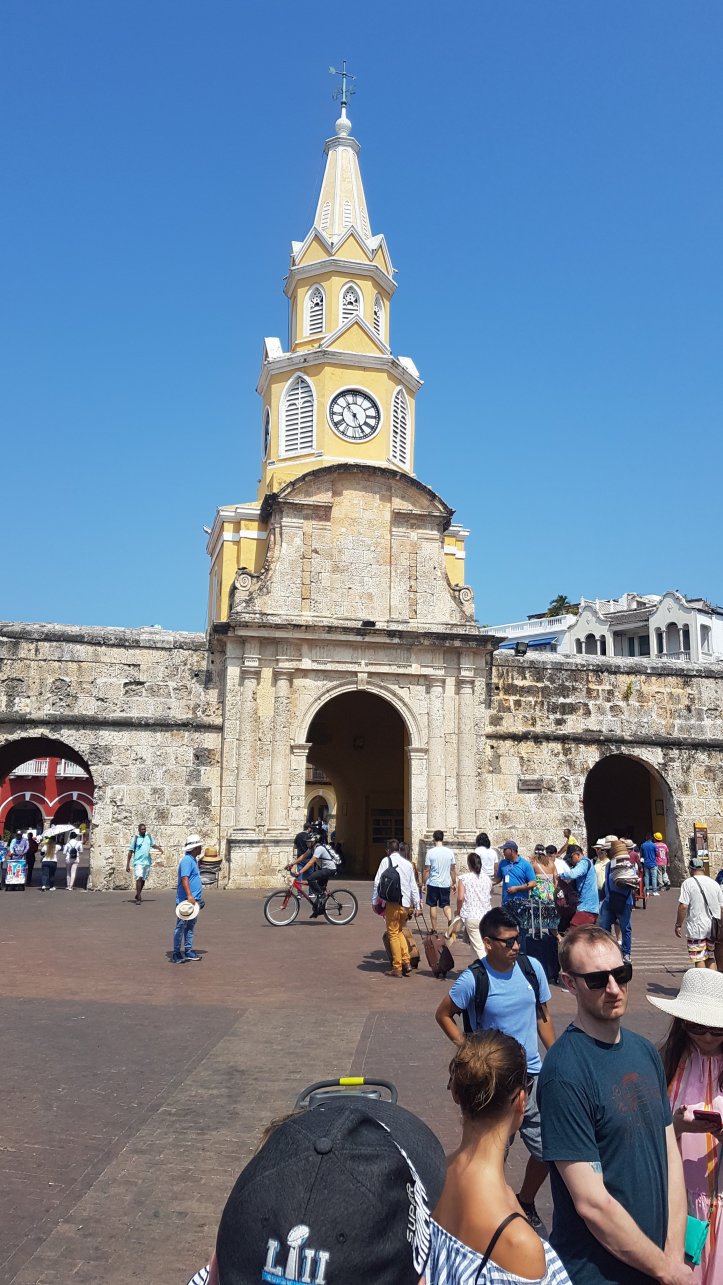
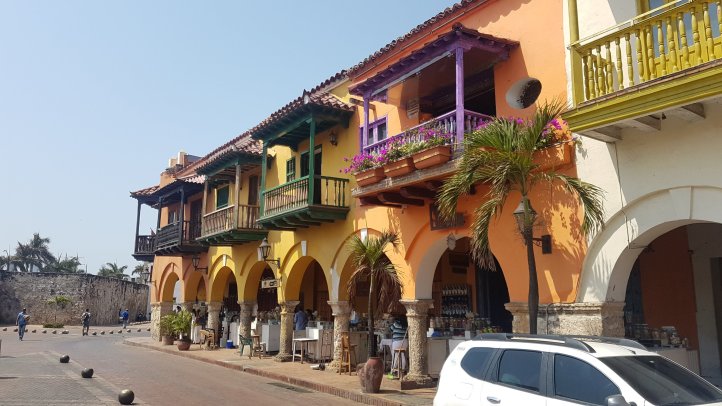
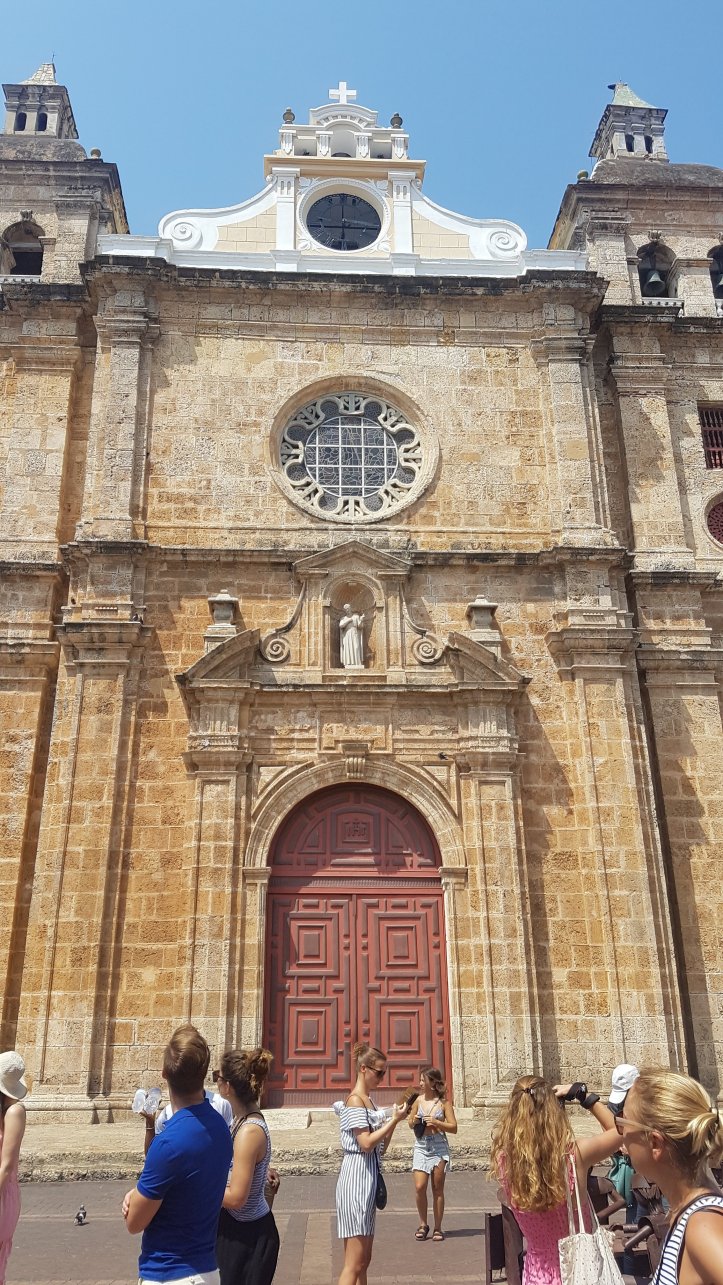
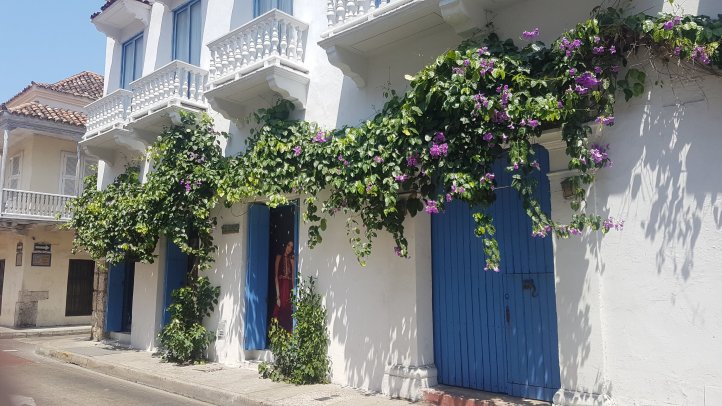
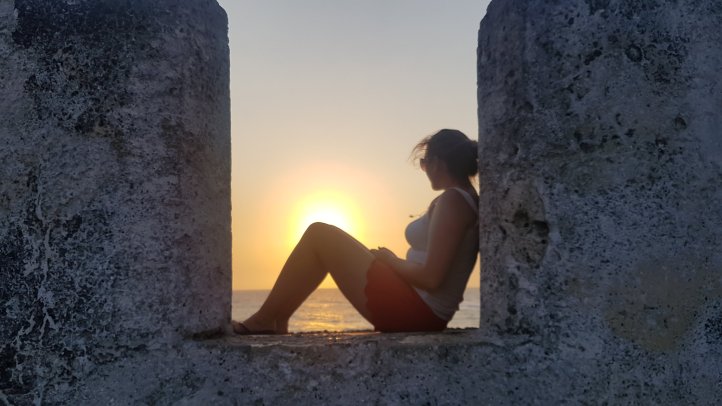
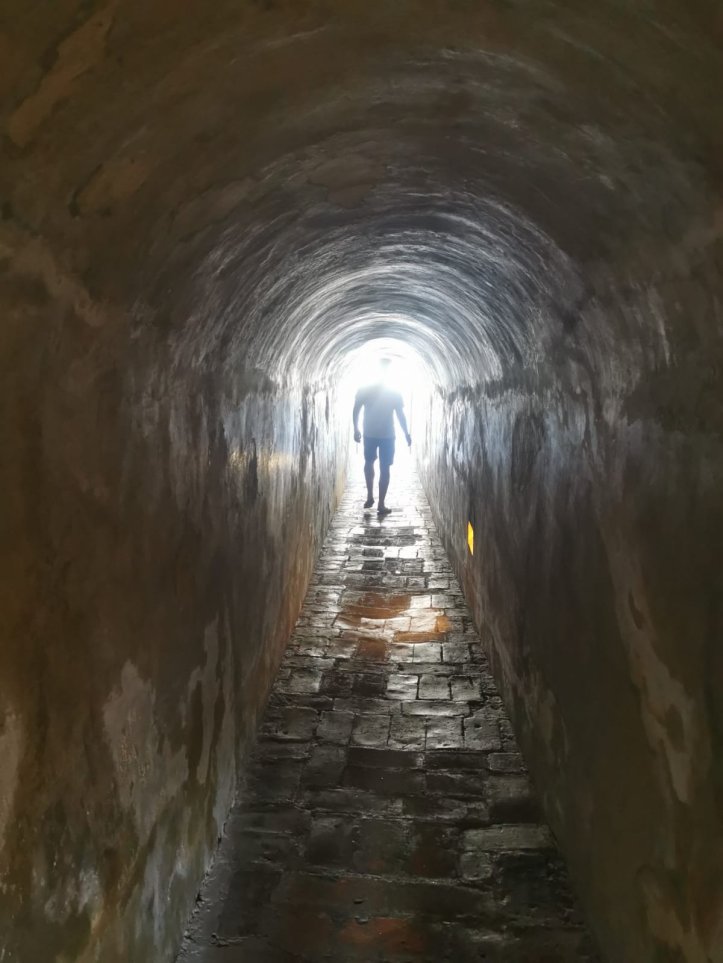
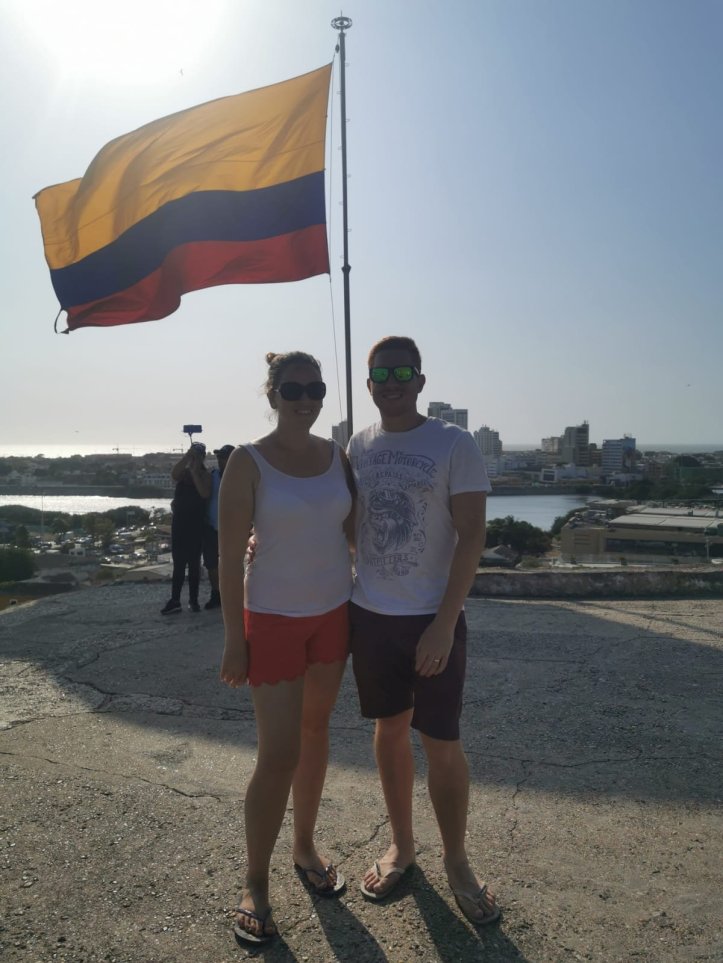
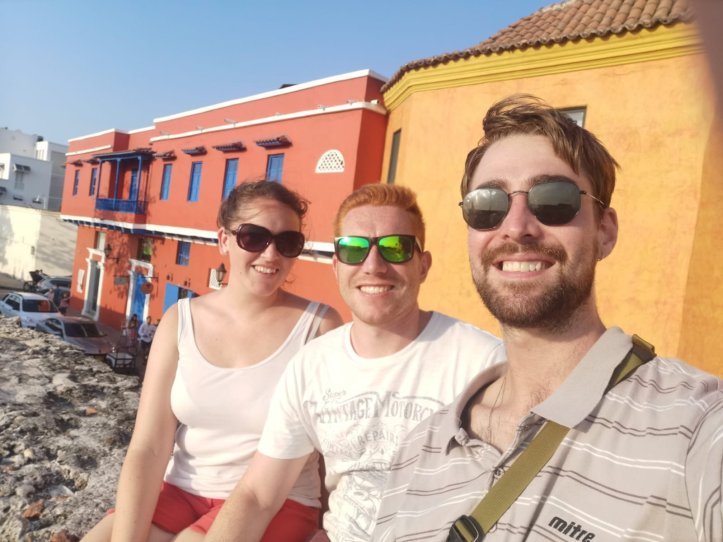
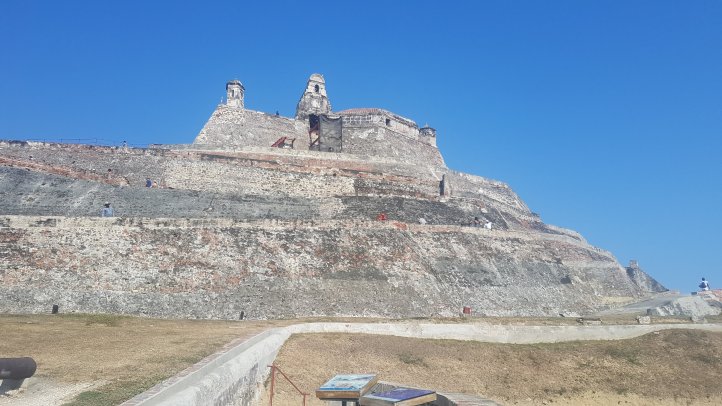
We spent three days in Cartagena, mostly just wandering around the streets. We also joined a walking tour of the city, but as it wasn’t the most exciting of tours, we decided to skulk off after a couple of hours. We met a fellow ex-Devonian living in Bristol on our hotel’s rooftop bar and shared a few beers with him, as well as visiting the old fortress together. This last outing was a little disappointing (Tom said so, too!) because of a lack of signage and therefore a proper understanding of how it was all used, but it passed an afternoon before we went to sit on the waterfront and watch the sunset. We also saw four brides who’d clearly all had the same idea for wedding photos and we probably bored the ears off poor Matt after talking about our own wedding for far too long!
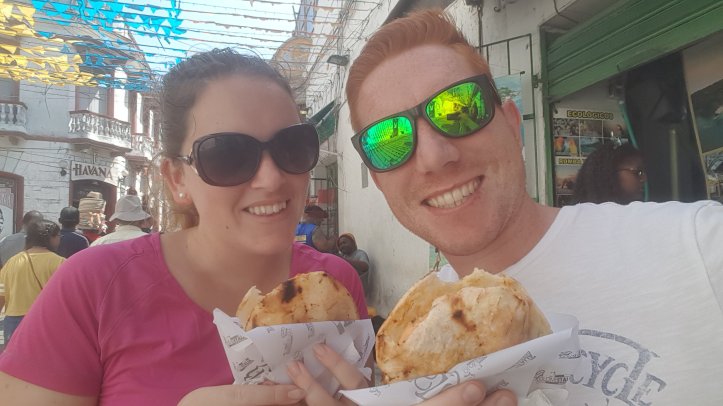
 Cartagena was beautiful, but we were ready to leave after three days so we continued on to Taganga, a small fishing village further along the coast which is famous for its diving. Having completed all of the theory back home, we were able to get straight on the boat to start.Our first dive was to 12m. We practised various skills such as what to do if your mask started filling with water and how to float just off the bottom before exploring the reef around us. It was absolutely incredible! The water temperature was 24 degrees C at the bottom so we only had to wear 3mm wetsuits, and the visibility was unbelievably clear. We saw corals and various fish (though I would very much struggle to identify most of them) and surfaced feeling absolutely ecstatic. The dive school provided drinks and cake for refreshments before our second five of the day. This time, Tom took the GoPro with us to capture some photos and videos. Unfortunately, they would take up too much space to save to his phone so we can’t share many of them until we get home, but we took a couple of screenshots below.
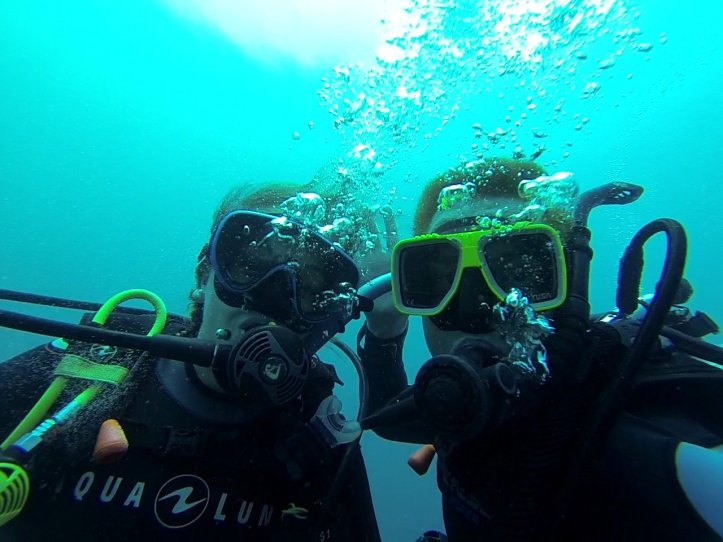
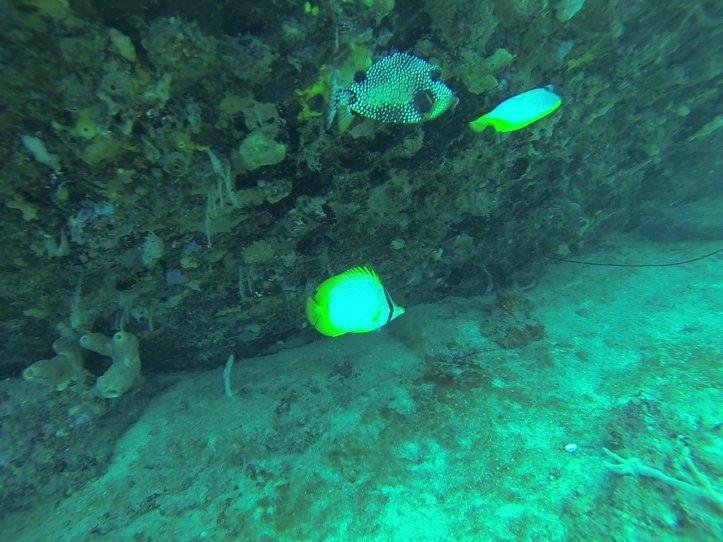
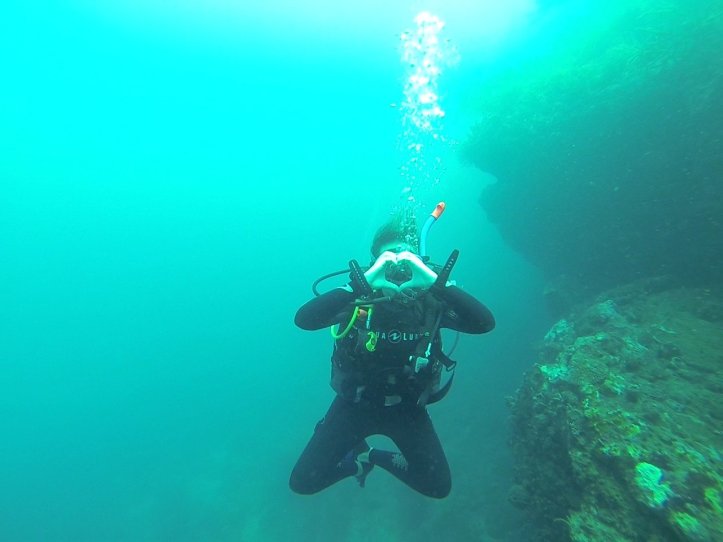
On day 2, we went to 18m. The views were just as impressive but there was a slightly stronger current which required a little more concentration not to drift away from our instructor. A couple of times, huge shoals of fish would reach us and we would just float there, watching as they swarmed around us. It felt like such a huge privilege to be able to briefly enter the underwater world. We were both so enamoured with our experience that as soon as we arrived back at our hostel, we investigated further diving opportunities both in Taganga and in the Galapagos. Unfortunately, our sensible sides won out and we decided to wait until the Galapagos to see whether we could afford to do any more then. As we weren’t going to be diving in Taganga again, we booked a hostel in Palomino and treated ourselves to a nice dinner in the fanciest restaurant on the beach. Sharing a steak so tender we were able to cut it with our forks and a plate of seafood along with beer and wine cost us a grand total of £20.
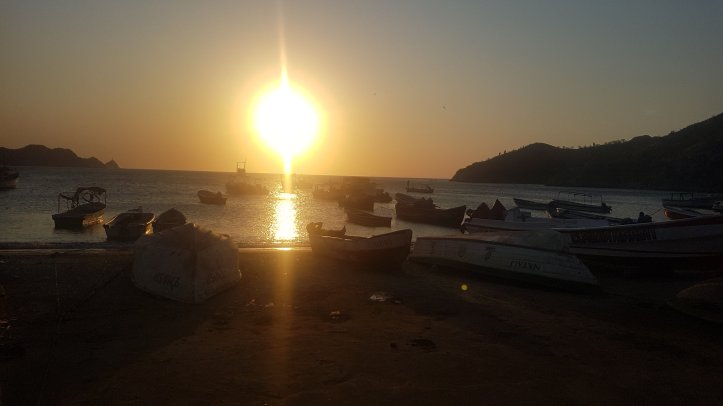
The diving in Taganga was incredible and it was easy to see why it has become such a huge destination, especially considering the low prices. However, the rest of the town hasn’t quite caught up and the roads are still dusty tracks, plus lots of the local vendors see gringos like us and you can see the peso signs lighting up in their eyes. We were unable to walk 10 metres along the main strip without being not-so-subtly offered marijuana or cocaine which initially surprised us but very soon just became immensely irritating, especially as we were also trying to dodge restaurateurs and tour agents selling us food, trips to the local national parks, or taxis to our next destination.We moved on to Palomino, another small town a couple of hours east of Taganga. We heard about this place from a fellow backpacker and were very pleased that we took his advice. Arriving here, our hostel was unbelievably cheap and perfect for some lounging by the pool or on the beach. The ultimate attraction in Palomino is tubing down the river which we immediately signed up to do.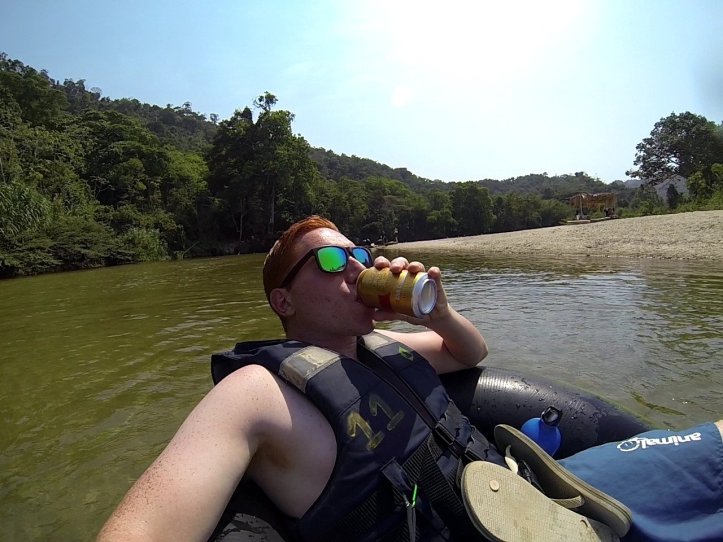
 We were picked up in the morning by some questionable transport (parents, please don’t ask – we’re fine!) and taken up into the hills. From here, we carried our rubber rings up a small path through the jungle for around half an hour until we reached our destination. A distinctive noise distracted us and we quickly followed our guide until we spotted some monkeys in the canopy above us. Finally, it was time to get out on the river. Our guide directed us and the other couple from our hostel to push off into the middle of the river and hold on to one another’s rings. The five of us floated off in our little formation, chatting as our guide steered us with makeshift paddles (his flip flops on his hands). After forty minutes, we reached a little beach where there was a rope swing into the deepest part of the river and a drinks vendor. We all took turns at launching ourselves into the water – some of us were less successful than others! – before deciding it was beer o’clock. The rest of the afternoon was thoroughly enjoyable as we meandered slowly down the river, chatting away and drinking beer. To be honest, it was a welcome break from the intense stresses of the past four months…Having taken the time out of our oh-so-busy schedule to write this post, I’m going to stop here to reward myself with a refreshing dip in the pool. Please don’t feel too sorry for us: we’re just about coping here!
 Honeymoon Bootcamp