After a long journey east, we arrived in Puerto Madryn, an industrial town on the coast whose primary source of income is mining (second place is fishing, followed by tourism in third place). Its main draw is the wildlife: there is a nature reserve – Peninsula Valdes – nearby, and it is also a prime breeding ground for the southern right whale.
Arriving, we discovered that we had just missed whale season by a couple of weeks and were also a couple of weeks too early for the orcas – clearly the worst timing possible for us! We had planned to stay here for a week to give ourselves the best opportunity to see them, however we soon discovered that the entrance fee and the transport around the reserve were prohibitively expensive so we ended up having a fairly quiet week. We’ll gloss over the majority of our time there and focus on the highlights!
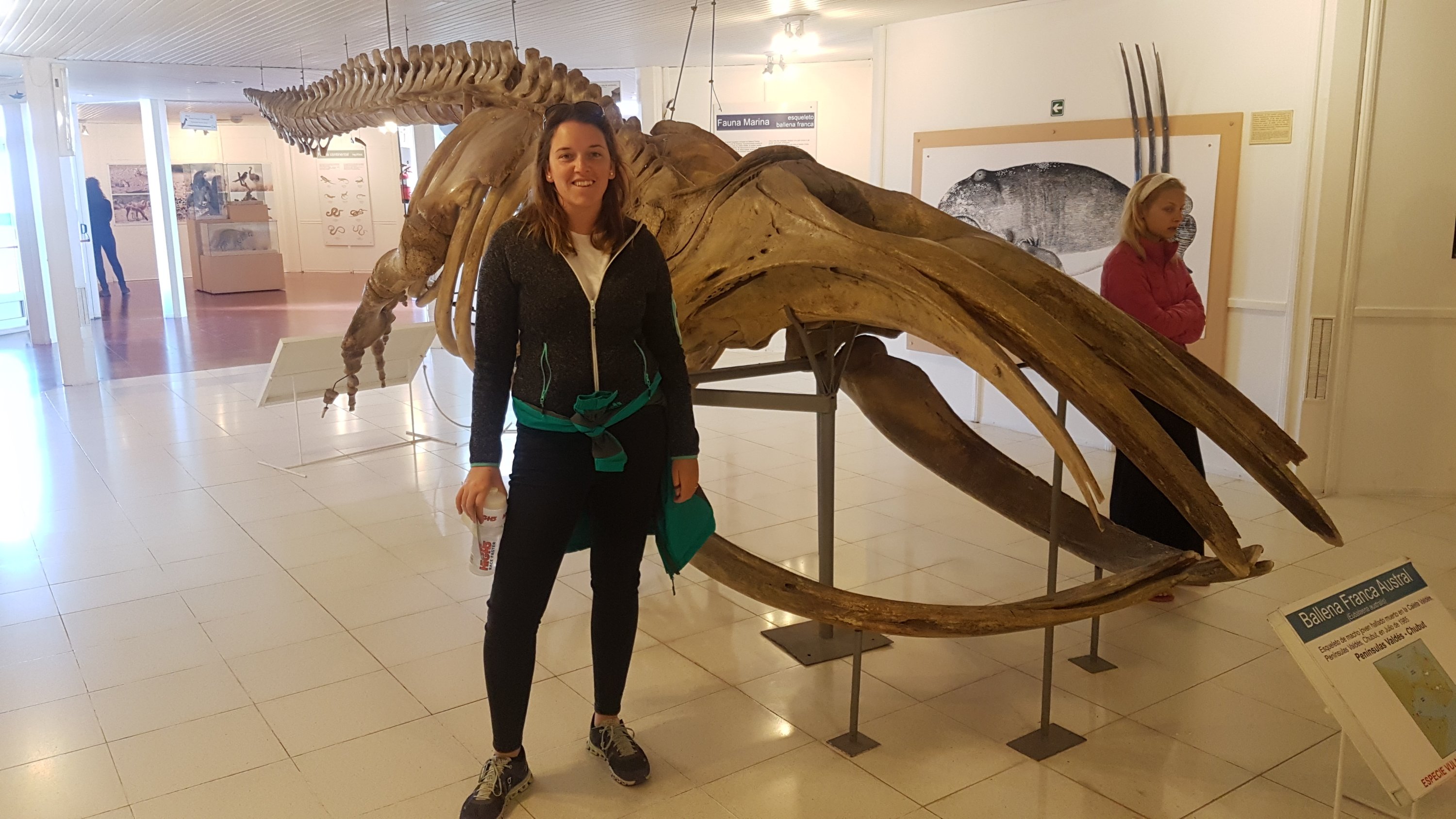
The trip to Peninsula Valdes was a short drive away from our hostel. After paying our entrance fee, we arrived at the visitor centre where we could read about the history of the area and glean some information about the plants and animals we might see. Here, we came across a skeleton of a young whale as well as baleen, the filter-feeder system inside the mouths of whales.
After reading everything we could, we headed off to the furthest point of the peninsula, about 150km away. Almost immediately, we saw two maras sitting on the side of road. These large rodents are only found in Patagonia and kind of look like large rabbits but with shorter ears. We continued on and eventually ended up at our first destination. Here, we parked up and went over to the walkway which overlooked the beach.
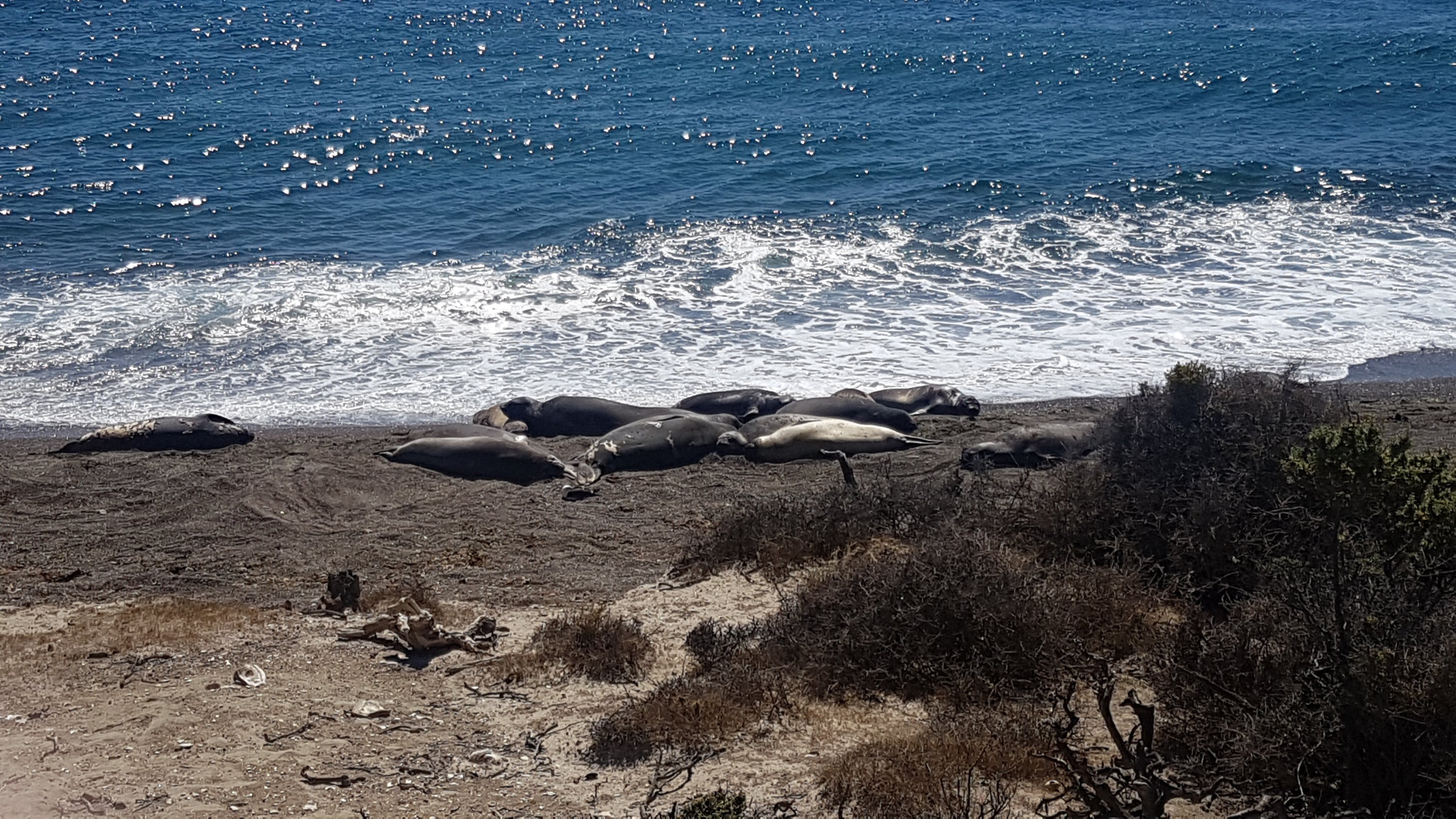
The beach stretched the whole way along the coast and a large colony of sea lions and elephant seals were dotted along it. In February, orca come flocking to this coast as the babies from the colony take to the water for the first time. There was a sign letting us know that 12 orcas had been spotted three days previously, so we scanned the horizon excitedly, hoping we would also be lucky. We weren’t, but we spent an hour watching some of the males engage in a bit of half-hearted sparring, babies shuffling around and the rest lounging contentedly on the sand.
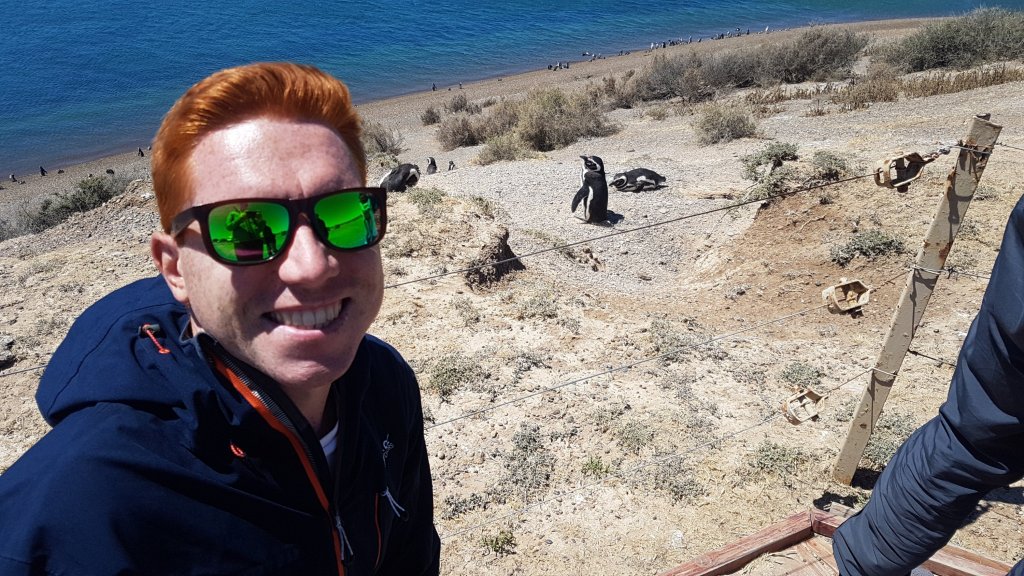
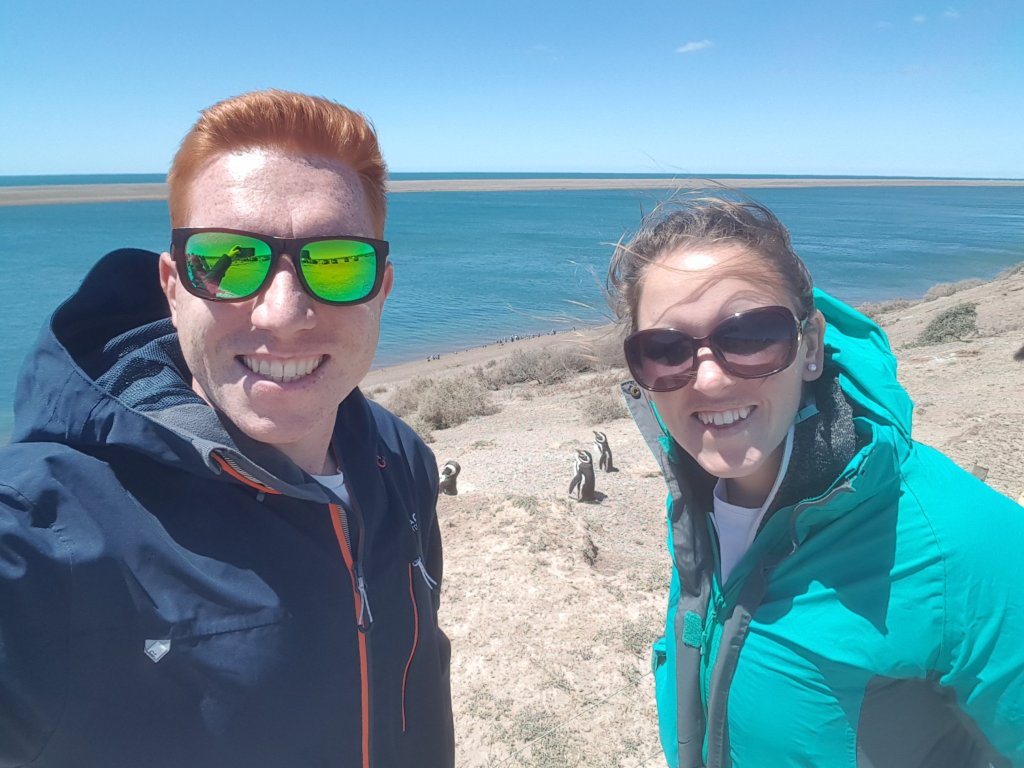
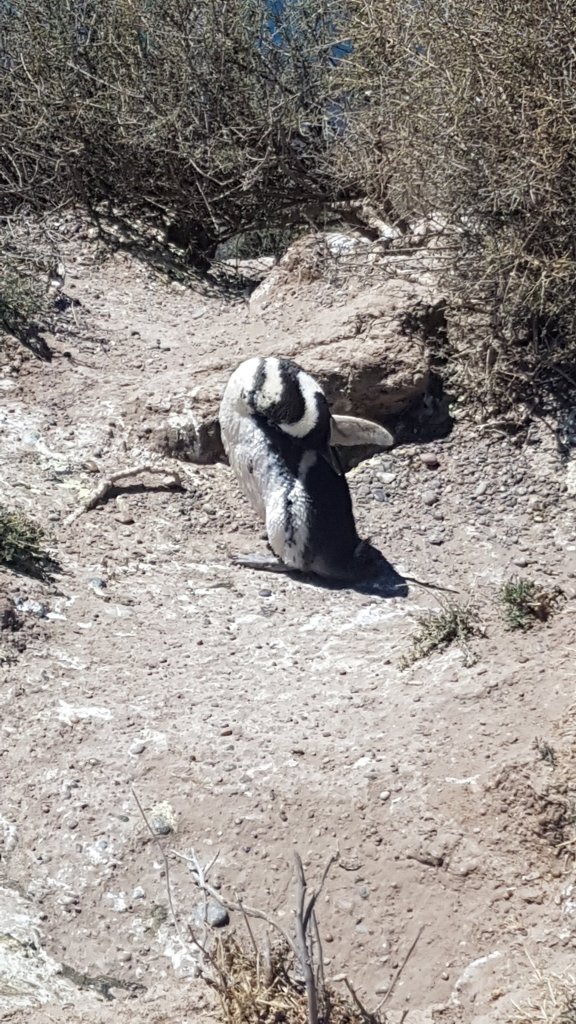
From here, we drove a bit further where we came across a colony of Magellanic penguins. We were delighted to find that these little guys were happy to come and stand close to the viewing point where we had been dropped off, and that they were sunbathing and burrowing really close to us. There were some swimming up and down and we watched as they went from being graceful and rapid in the water to slow and clumsy on the land – we tried not to draw too many parallels!
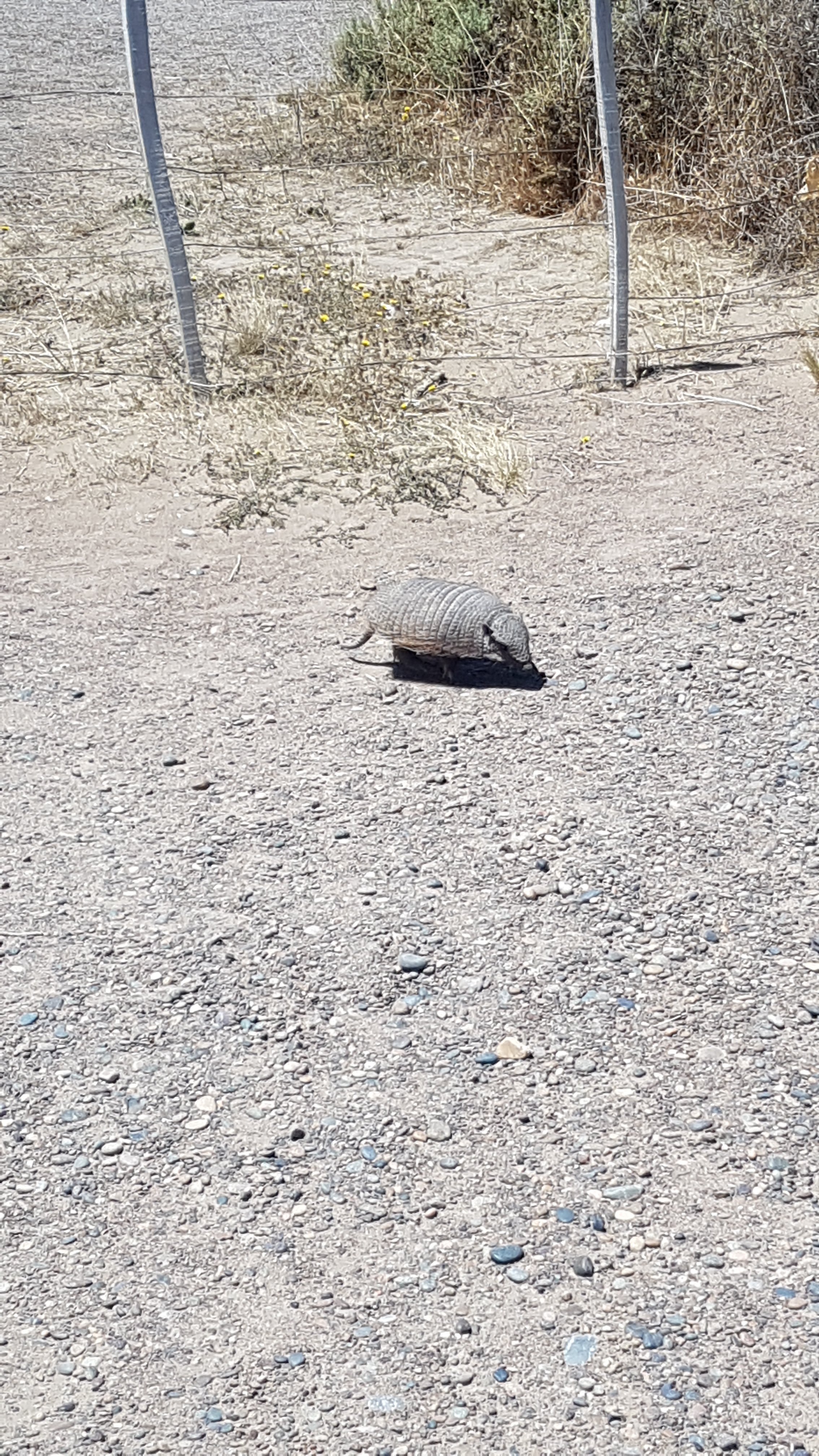
Our next stop took us to the restaurant where we would have lunch. On the way, our driver told us that there were some short walks that we could do, but to watch out. Here, we might come across black widow spiders (which can kill you) and venomous snakes (which can kill you). Great. Having said that, however, the first thing we saw on arrival were armadillos just scuttling around the car park. They kind of looked like massively overgrown woodlice and were darting from car to car, either in search of the shade underneath or food dropped by people.
We didn’t notice any black widow spiders fortunately, but we did see one of the snakes we were told to watch out for.
Although Peninsula Valdes was the highlight, we also knew that there were some small towns nearby which were Welsh. The main attraction with these Welsh towns were the teahouses, which apparently served traditional afternoon tea. Having not had a decent cup of tea for a while, this was high on my list of priorities.
We caught the bus out to Gaiman with high hopes. As we disembarked, we could almost see the tumbleweed rolling across the street. This town was empty, and so, so quiet. We didn’t pass a single other person as we walked down the main street. The occasional restaurant waved a Welsh flag, but other than that, this was probably one of the most depressing towns we had visited. Nevertheless, we continued on to the teahouse.
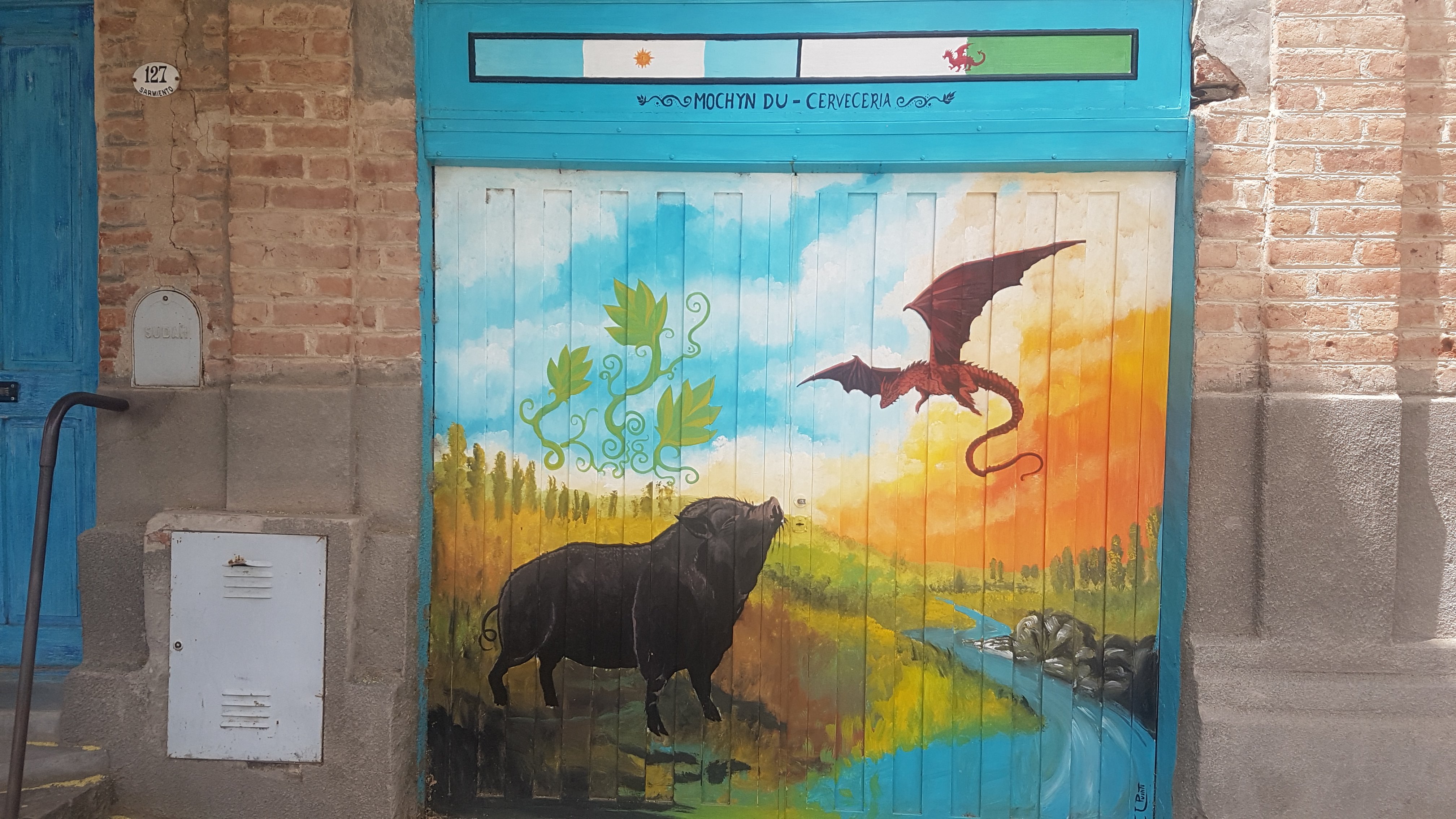
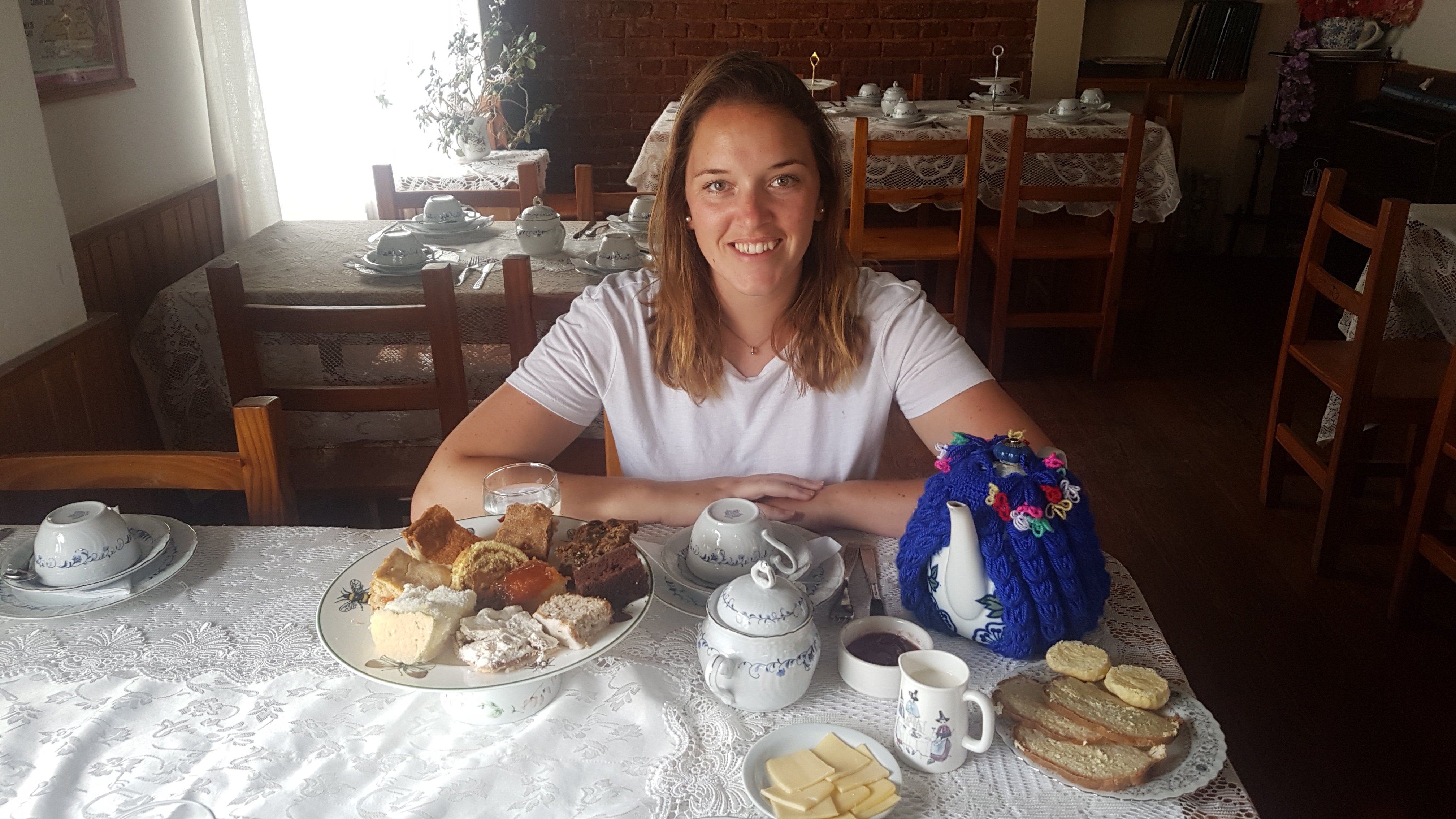
Once we arrived, we were surprised to find that we were the only people there. A cheery Argentinean lady let us in and we stepped in to what looked like her front room, albeit filled with tables covered in lace tablecloths. Each table had a proper china teacup and saucer at each seat and there were Welsh decorations everywhere. Thanks to living with a Welshwoman for two years, I was able to identify some love spoons hanging on the wall.
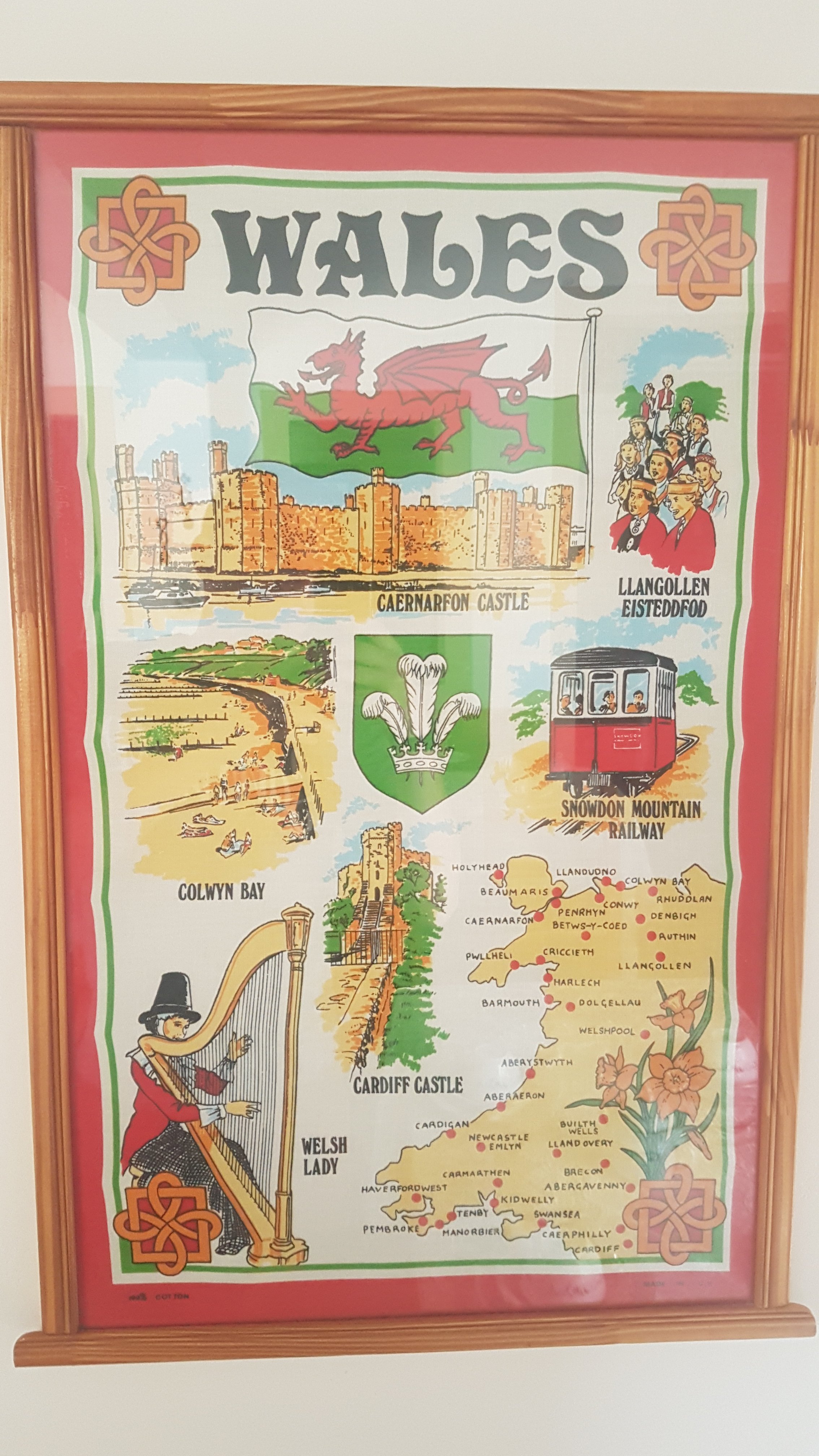
We ordered one afternoon tea to share. To my delight, it came with a huge teapot of proper tea and about 3000 pieces of cake, as well as some bread and cheese. We dived in. We rapidly came to the conclusion that Welsh afternoon tea and English afternoon tea must be fairly different as it wasn’t quite a taste of home. It was, however, plentiful and we spent a pleasant hour there as I made my way through my entire teapot. We chatted to the owner, Mrs Jones (though pronounced Yo-nez) and pointed to Bristol on a map to show how close we lived to Wales. She told us about her daughter who had moved to Wales and married a Welshman, and in true grandmother style, told us all about her grandchildren (they both have red hair; the youngest wants to be a doctor and the eldest is studying languages at Manchester Uni) and she asked us to sign her guestbook. She was utterly adorable and our visit was definitely better because of her.
After our week, we were ready to move on and head back to the mountains for some exercise and fresh air so headed to El Chalten, home of the Fitzroy range, for the next part of our holiday!
 Honeymoon Bootcamp