It was dark when we woke up. Our dorm room companions were fast asleep so we had to quietly climb out of our bunk beds and withdraw our bags from under the bed. Outside, we extracted our warm clothes and dressed according to the chill in the air. The tour guide would be picking us up shortly so we headed outside the hostel to wait.
The minibus arrived and added us to its collection of passengers en route to the Bolivian border. We left San Pedro de Atacama and drove up into the mountains to the immigration control. As we left Chile, we passed through one security check before arriving into Bolivia. Border control there was a very different matter.
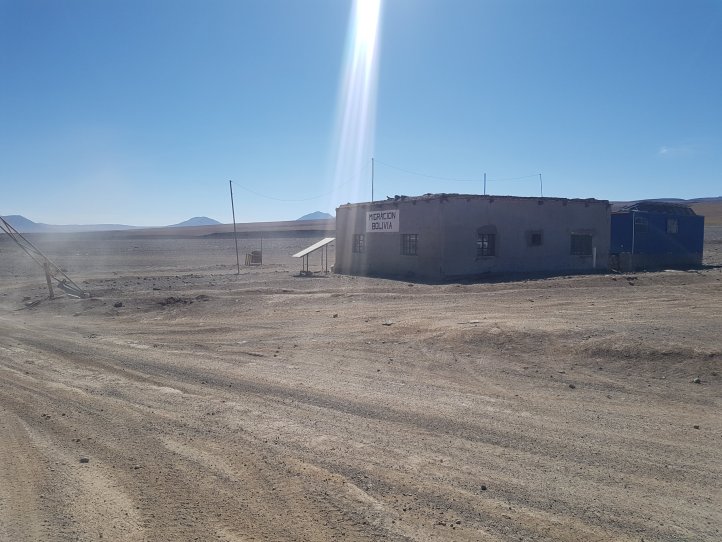
After showing our passports, we returned to the minibus where two jeeps had arrived and parked up. We were separated into two groups and introduced to our drivers. Our jeep contained two Brits (us), a French couple and two Brazilian girls. Our driver, Pedrito, loaded our bags on top of the jeep and we headed off.
Our first stop was to a lake just inside the national park. The water was full of minerals, including borax, which would lift to the surface in the breeze, causing the water to look white. Surrounding us were mountains and volcanoes, and it looked completely surreal. A short distance off was the Laguna Verde, so-called due to its usual green colour. Pedrito explained that the reason we were seeing an earthy red colour instead was due to seismic activity which had agitated the lake.
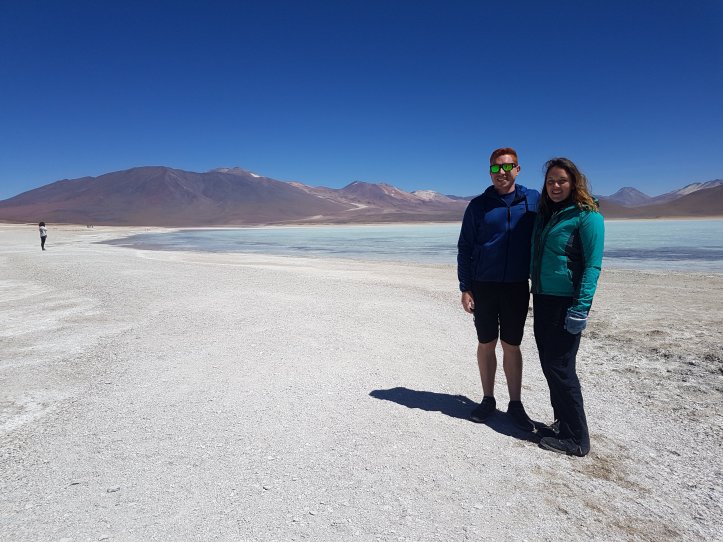
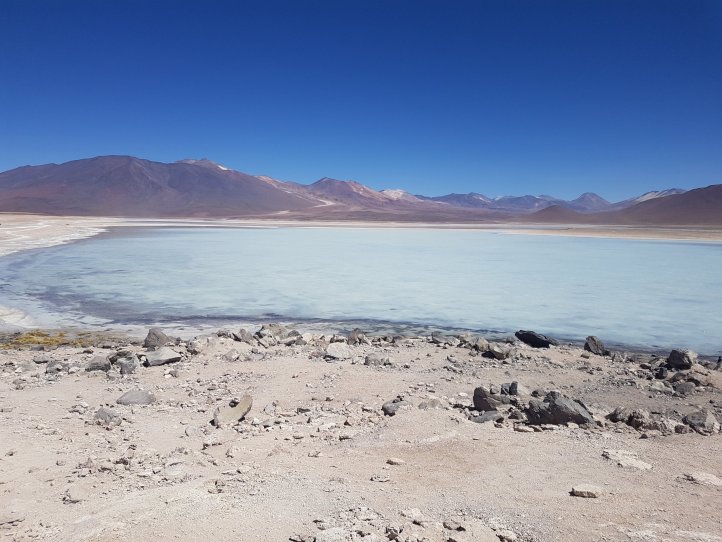
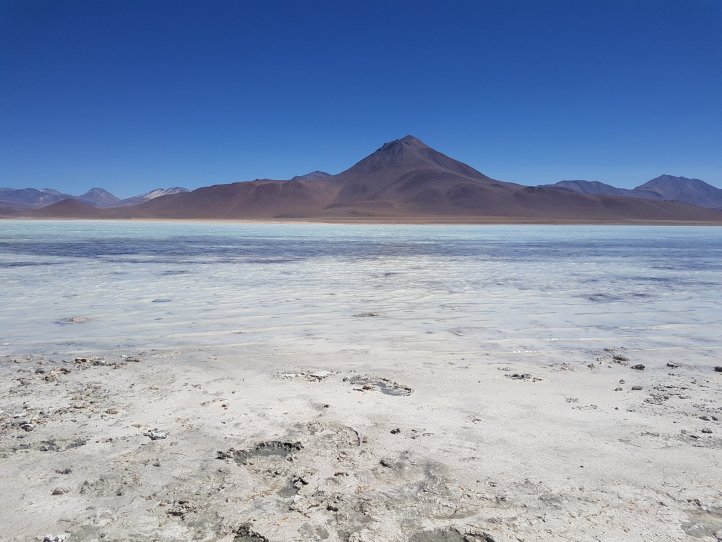
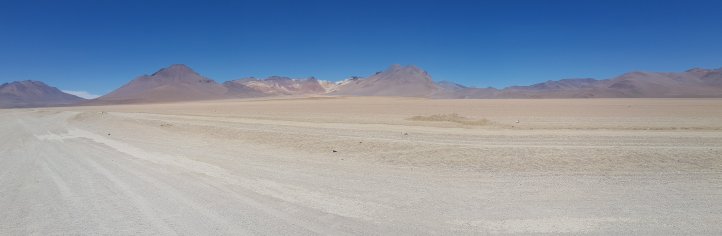
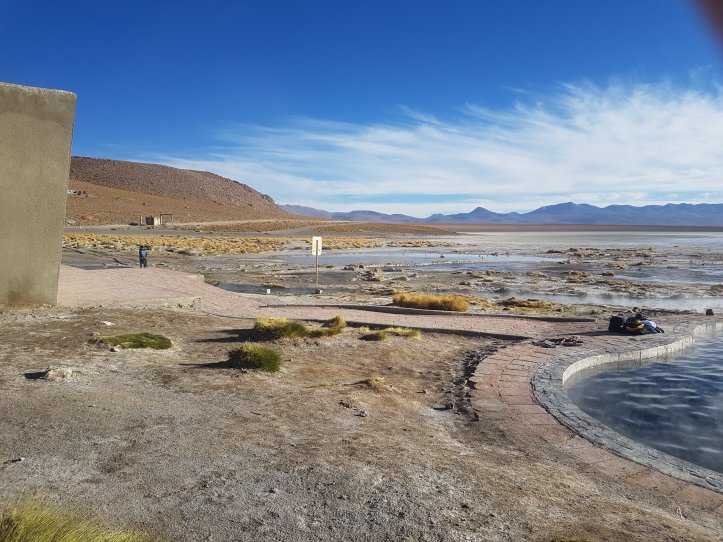
We continued our journey in the jeeps across a landscape which looked more like something from a different planet than anything we’d seen before. The mountains surrounding us were varied in colour and vicuñas (like deer) foraged in the sand. We travelled to the Salvador Dalí Desert, an area where large rock formations and the scenery resemble the surrealism of Dalí’s paintings. After a short stop here, it was on to the thermal waters where we could relax and enjoy a short dip in the pools while watching llamas wandering past and flamingos feeding in the lake right ahead of us.
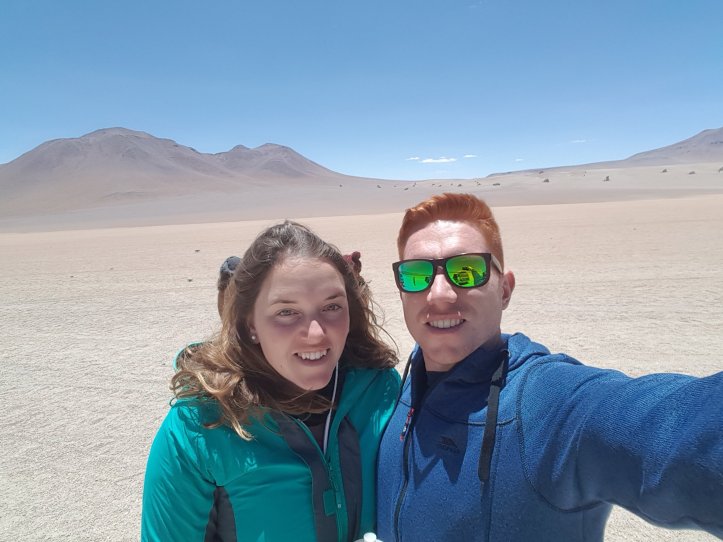
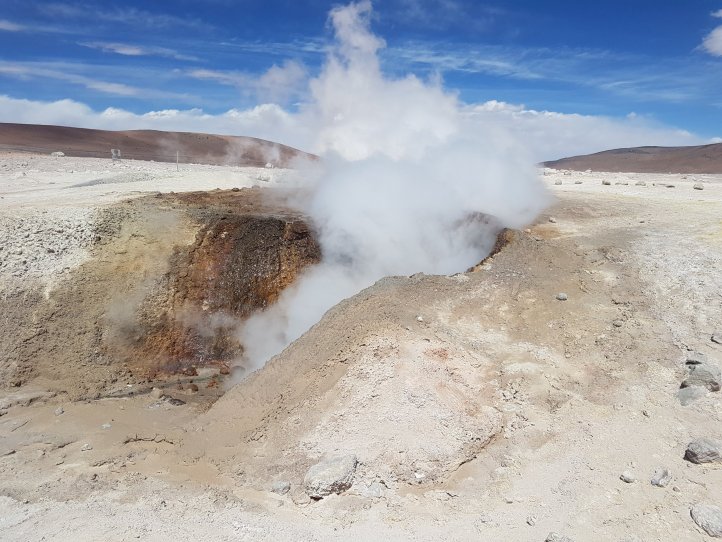
After a quick lunch, we continued driving. As we approached an altitude of 5000m, we reached an area full of geysers. The smell of sulphur lingered in the air as we walked along the recommended path, being careful to avoid the uneven ground and what could have been a pretty painful experience! The steam escaping from the ground was around 90 C so we kept our distance.
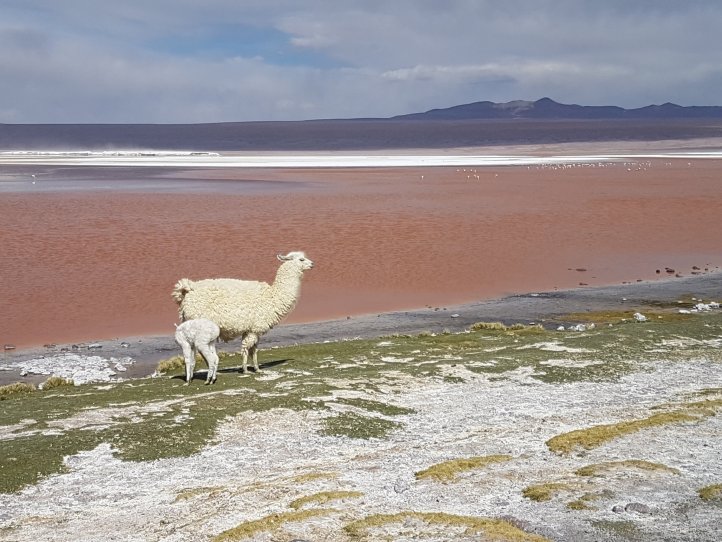
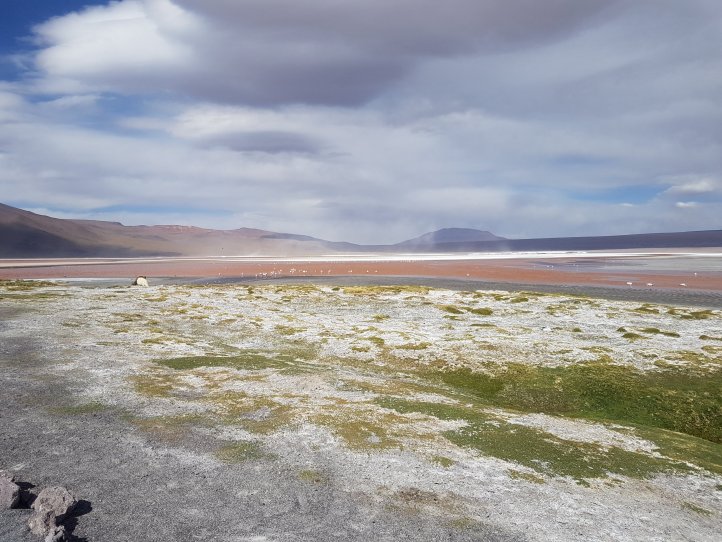
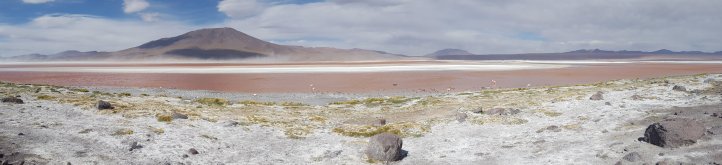
The next stop was to the beautiful Laguna Colorada (Colourful Lake). Again, flamingos and llamas were happily feeding around the edges, seemingly unbothered by the jeeps disgorging their tourist cargo. The view was exceptional but the strong winds encouraged us back to our vehicles. Pedrito informed us that while flamingos didn’t have natural predators, the winds could cause baby flamingos to be blown across the lakes, causing their death. Apparently even then, foxes would avoid the easy dinner due to the strong taste of flamingo. We left the lake and headed to our hostel for the night.
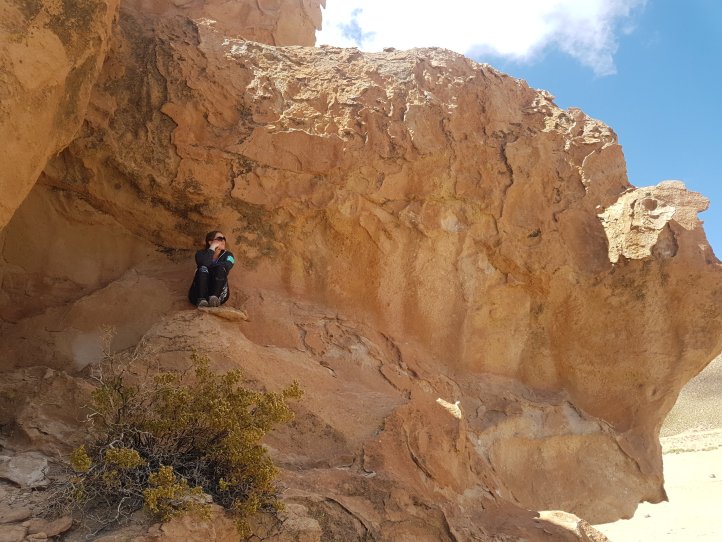
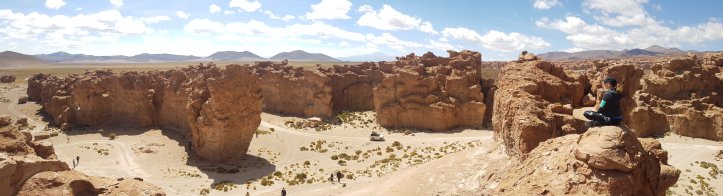
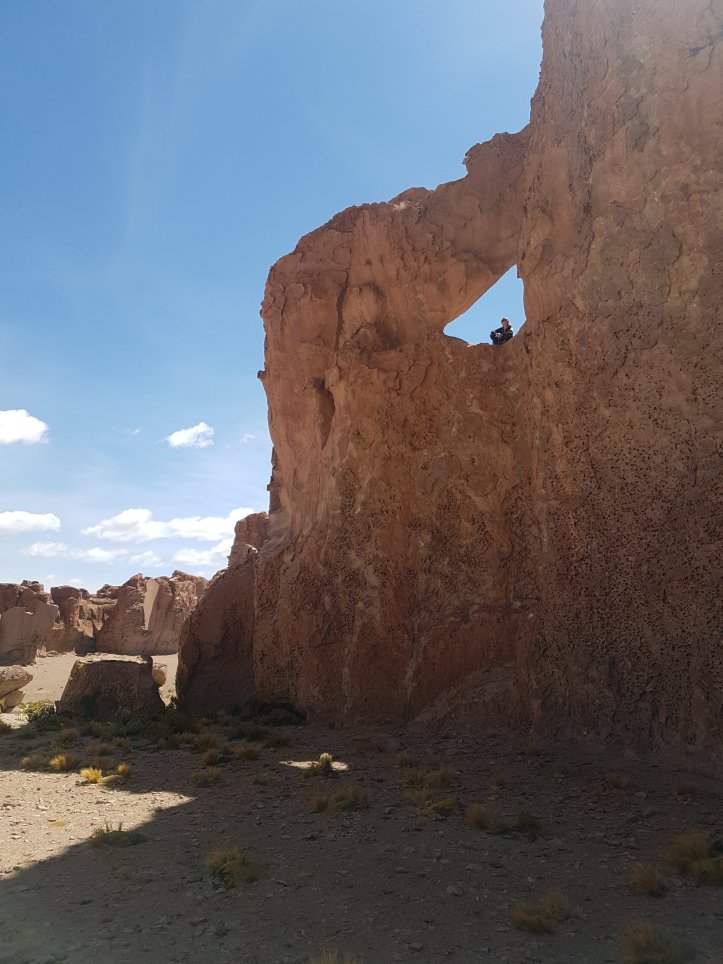
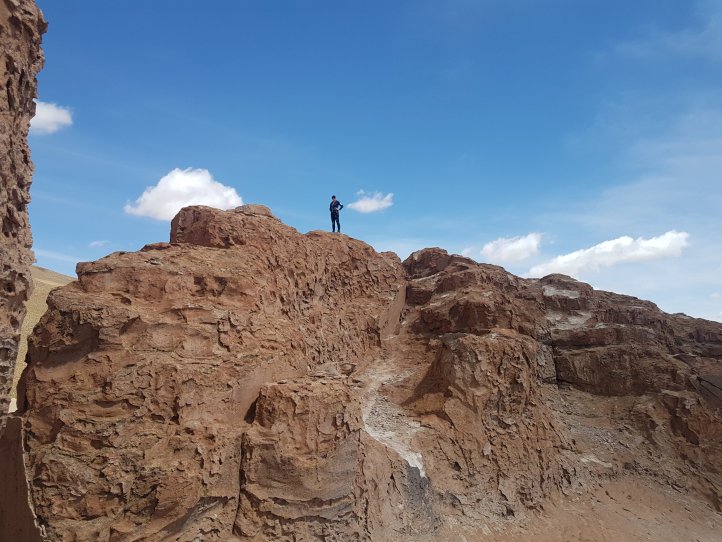
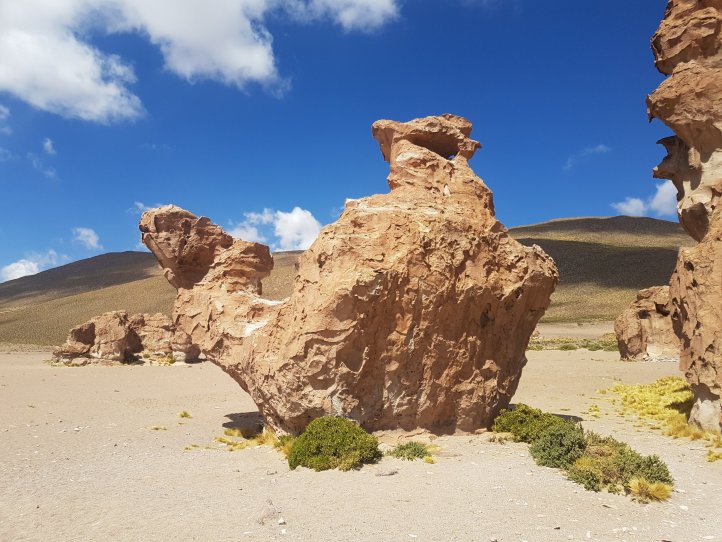
The next morning, we had an unhurried breakfast before leaving for the Valley of the Rocks. These large red sandstone formations towered over us and we were able to climb them for some great views of our surroundings. We visited several spots, including more rocks and lakes and took many photos.
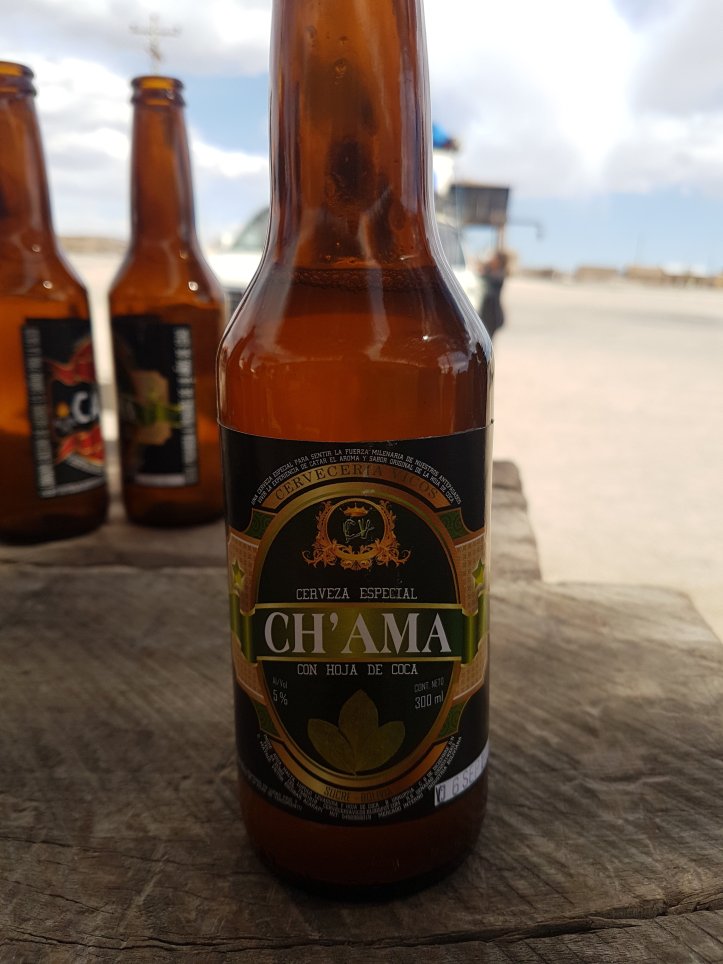
Late in the afternoon, we reached a small shop selling local beers and wine where we settled in under large umbrellas to protect us from the sun. The local specials were beers made with cactus, coca leaves or quinoa. Tom tried the first two and, as a man who somewhat likes his beer, was surprised to find he was a little disappointed! This was our final stop before arriving at the hostel for the night. This building, being so close to the salt flats, was made of salt bricks.
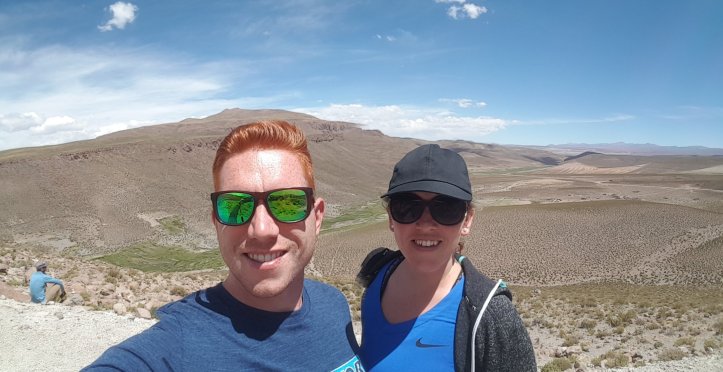
We had an early start the next morning, waking at 4am in order to reach Cactus Island in the middle of the salt flats to see sunrise. We arrived on the island, purchased our tickets and started out ascent. Unfortunately, at this point, I became very unwell and had to promptly turn on my heel and head back down, leaving Tom to explore and bring back some photos for me.
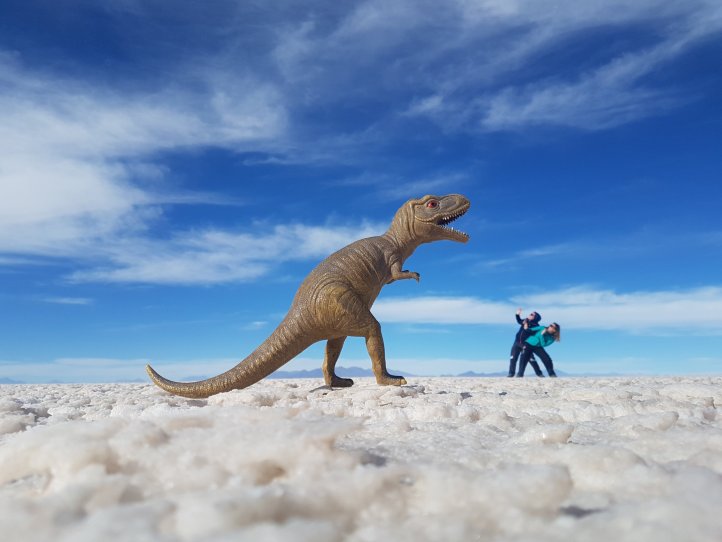
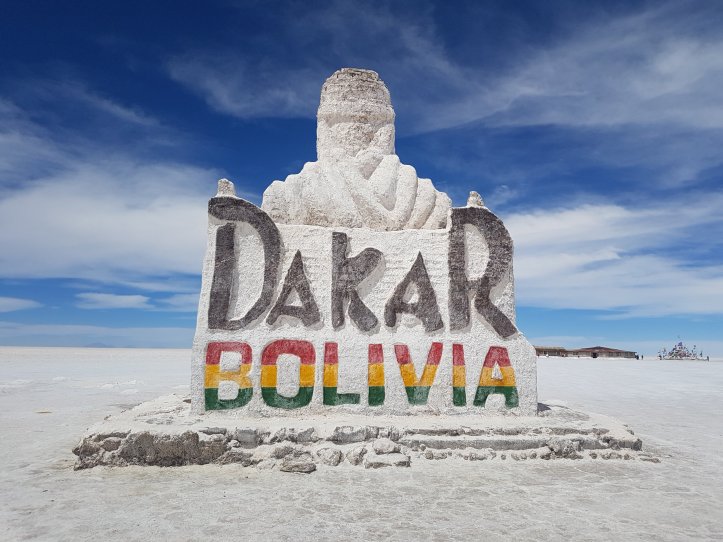
We left Cactus Island and headed out into the middle of the salt flats where our group promptly started taking photos and videos. Salar de Uyuni used to be a salt lake, but tectonic movement pushed the land upwards. As the water evaporated, it left a salt crust of almost 12,000km squared. Having so little else on the horizon means it is easy to play with depth perception and create photos and videos that would be difficult to do elsewhere.
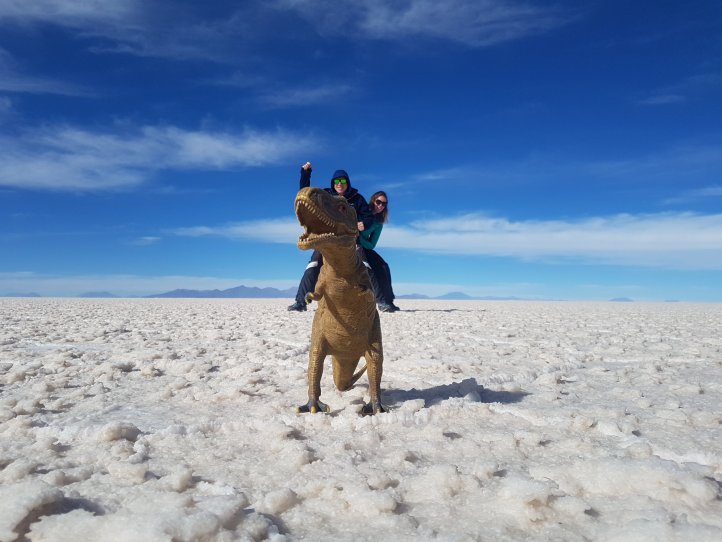
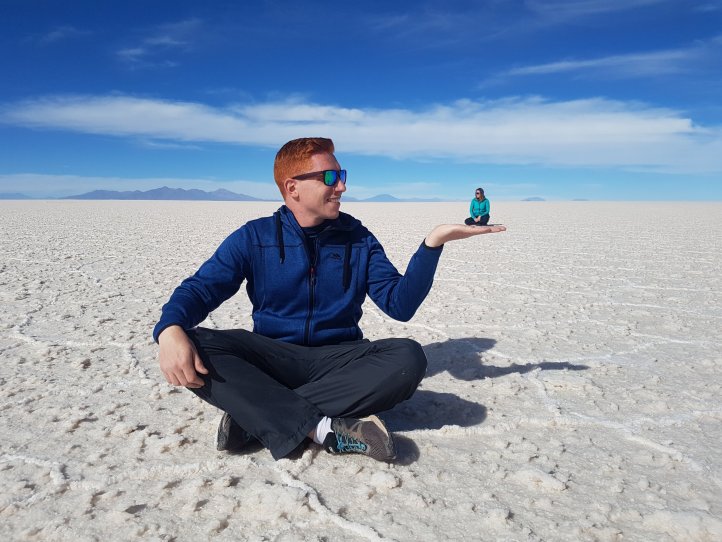
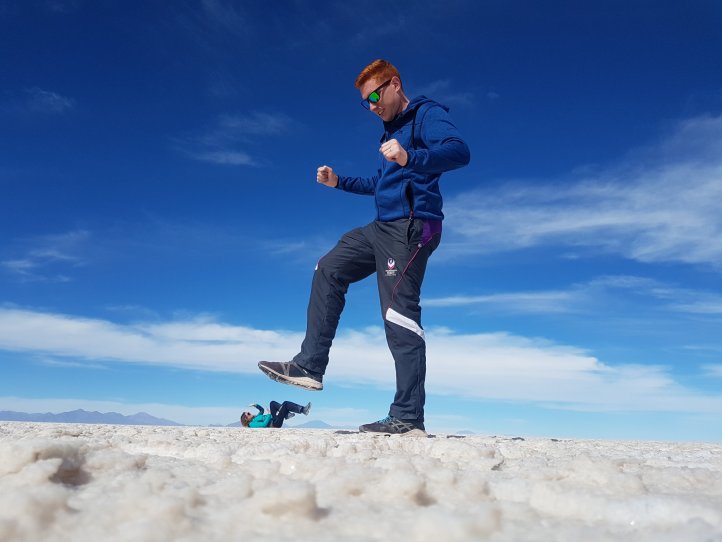
A video of us with our tour mates
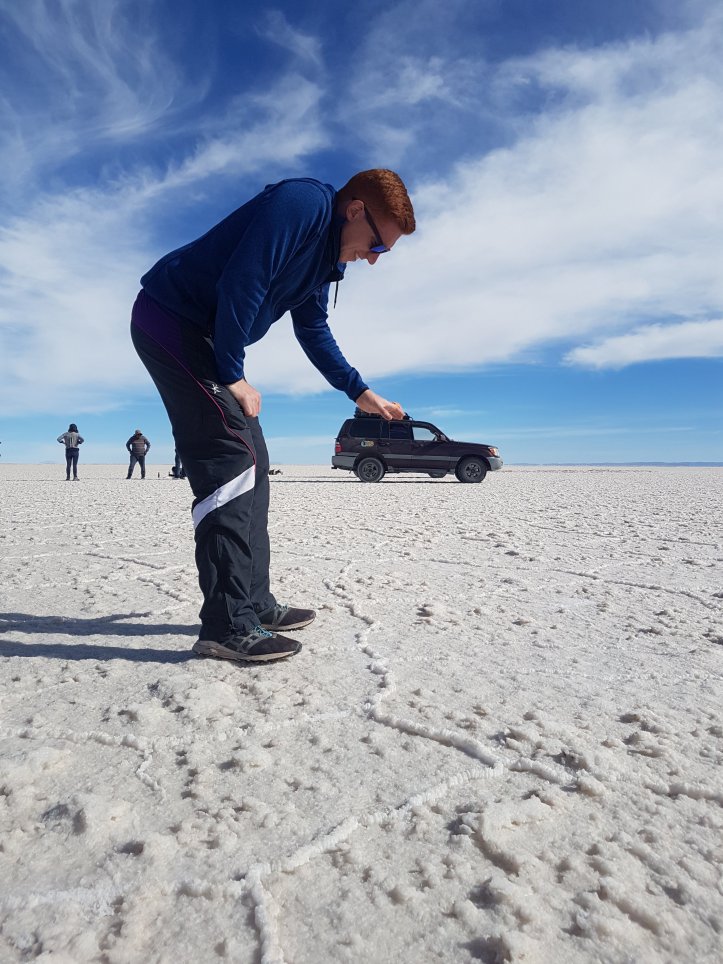
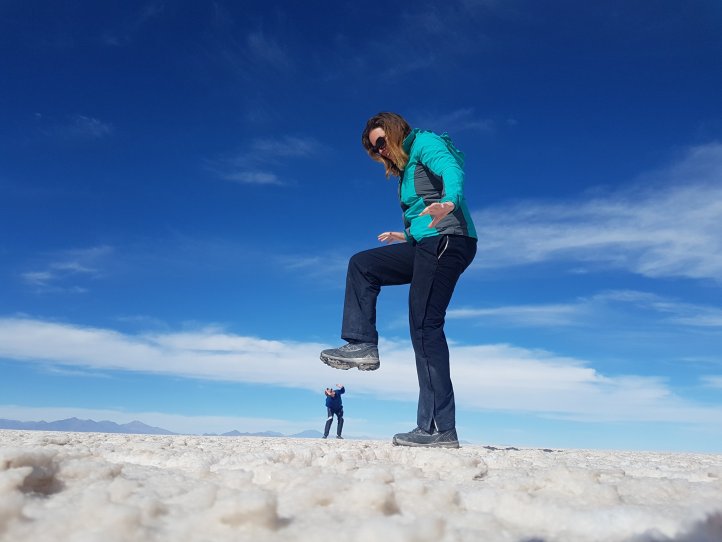
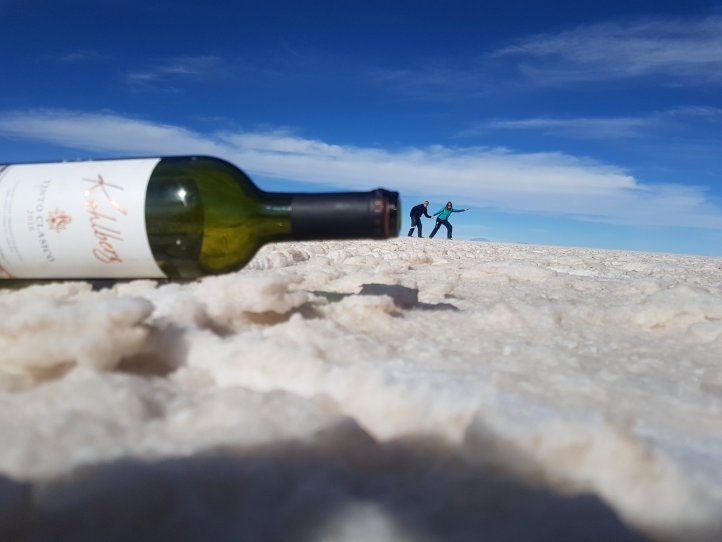
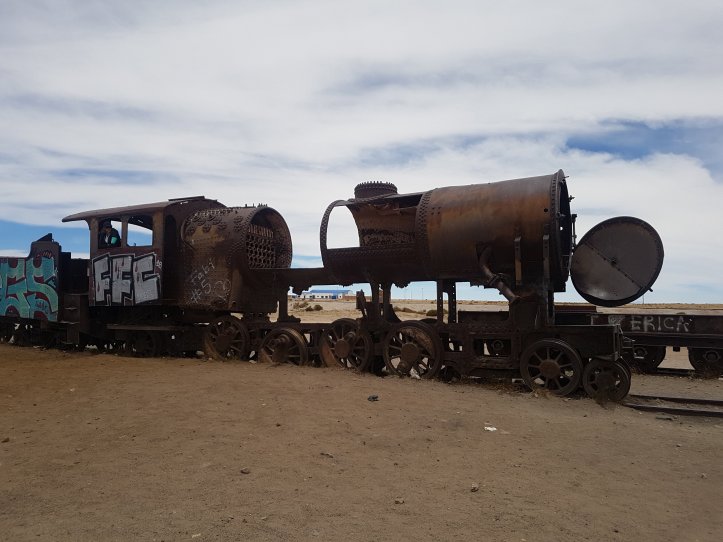
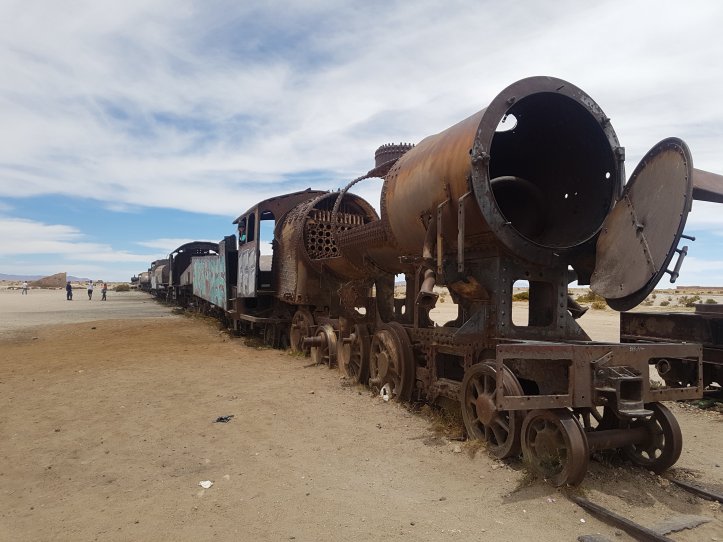
After our photos, we travelled to the first salt hostel then the local town for souvenirs, followed by a journey to Uyuni to visit the Great Train Graveyard. Engines were imported from Britain in the early 19th century as part of a grand plan to improve rail networks, but this plan ended up being abandoned and the trains were moved to this spot just outside of Uyuni. With the strong salt winds, the bodies have been eroded. In spite of the tourists (including us) clambering over what was left, the place certainly felt deserted and unloved.
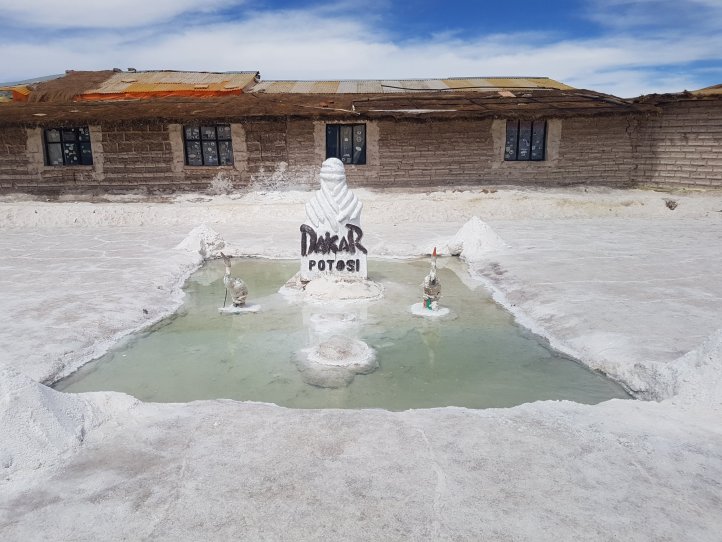
This was our last stop. We headed into the town for lunch, where some food helped me feel a little better after my bout of illness. At almost exactly the same time, Tom became immediately unwell with exactly the same combination of symptoms. At the same time, I realised that my phone was not in the pocket where I had left it that morning and a quick search revealed it was gone, probably somewhere in the middle of the 12,000km of salt while dosed up on various self-medication. Needless to say, our journey back to the hostel was not a pleasant one and we both decided to have a limited dinner and an early night.
The next day, we returned to San Pedro where we did very little and simply drank water in the comfort of a private room before heading to Salta, Argentina. Fortunately for us, we have been able to enjoy having an AirBnB with access to our own cooking facilities and food choices, and still been able to take part in what Salta has to offer!
 Honeymoon Bootcamp