Lima to Arequipa
On Sunday, we joined up with our tour group to head to Machu Picchu. We went out for dinner, to a Peruvian Chinese restaurant. While we had been avoiding these restaurants so as not to appear like stereotypical Brits, it turns out that Asian culture has had a huge impact on Peru.
The Chinese were the first Asians to arrive in Peru. They worked the plantations that had previously been tended by African slaves. Japanese immigrants followed suit a little while later, looking for better opportunities than those that were already available to them. While many suffered from diseases, poor conditions and malnutrition, those who survived started their own businesses. This has translated to a large number of chifas, or Chinese Peruvian restaurants.
We went to one such chifa with our guide and our group and ordered two meals for about 24 soles in total (about £6) and they were HUGE. I don’t think anyone finished their meal, except Tom (anyone surprised by that?)! It was absolutely delicious, though, and we definitely enjoyed it immensely. Post-meal, we enjoyed some Peruvian beers and got to know the rest of our group.
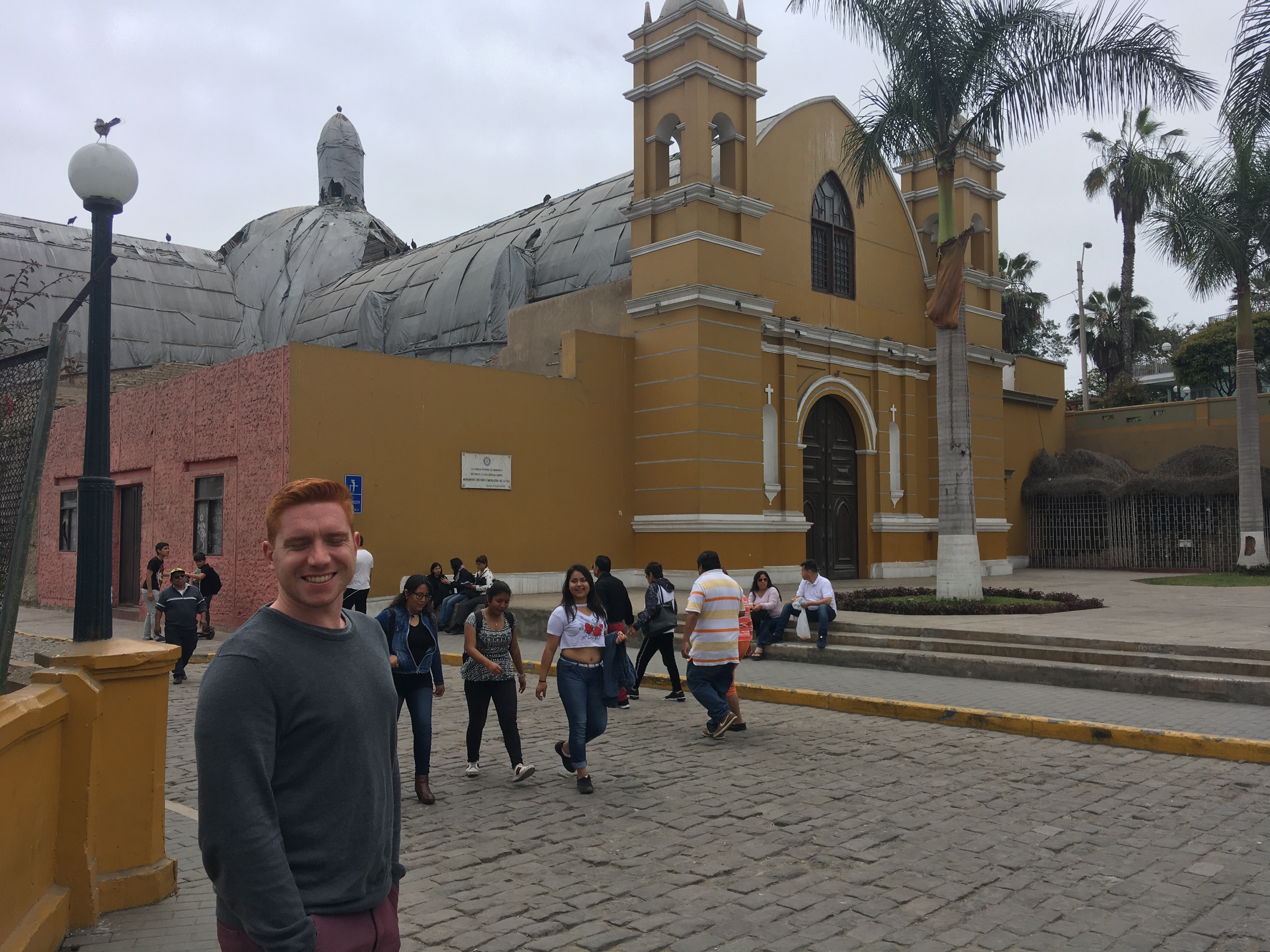
Monday was fortunately not an early start, so we were able to wander Barranco in the morning before catching a bus to Nazca where we arrived late in the evening. As a side note, we were all hugely impressed by the bus – not only did we have recliner seats that went further back than most airlines we’ve travelled on previously, we also had extensive leg room, as well as individual tv screens with films, books and games, plus an onboard steward who brought complimentary sandwiches and drinks around. We were given seats at the front on the top deck, but all of the windows had curtains. We rapidly realised this was so that we wouldn’t be able to view the crazy driving occurring in front of us, but we won’t go into too much detail on that one! Nevertheless, we’re no longer too concerned by the large number of bus journeys we’ll no doubt be taking in the near future.
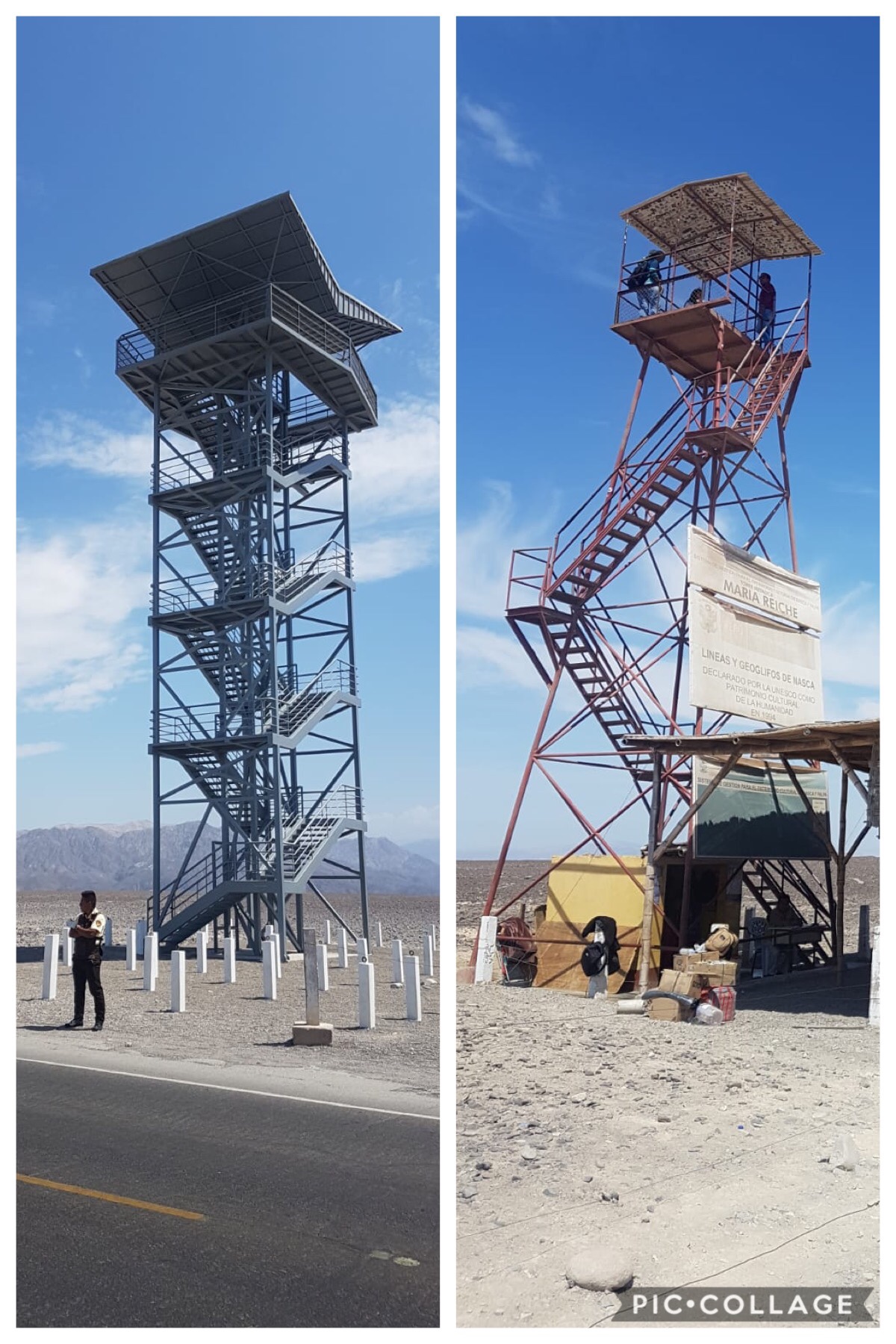
Back to Nazca: we had arranged with our guide to meet at 8.30am so that he could take us to view the Nazca lines. We took some taxis along the Pan-American highway which runs from Canada all the way down to the south of Chile and again marvelled at the skill of the taxi drivers. We could see some of our group flying overhead in Cessna type planes as we pulled up to our destination. What had been described as a viewing tower was on the left side of the road. I think it would be fair to say that it looked old, rusty and not at all what we expected. On the right side of the road was a much newer, sturdier, safer looking viewing point. We bypassed this one and went to the rusty tower, crossing the highway by pretty much closing our eyes and running in front of rapidly moving lorries. We paid our fee and climbed the tower. From our vantage point, we could see the tree and the hands, as well as part of the lizard which had been cut in half by the highway.
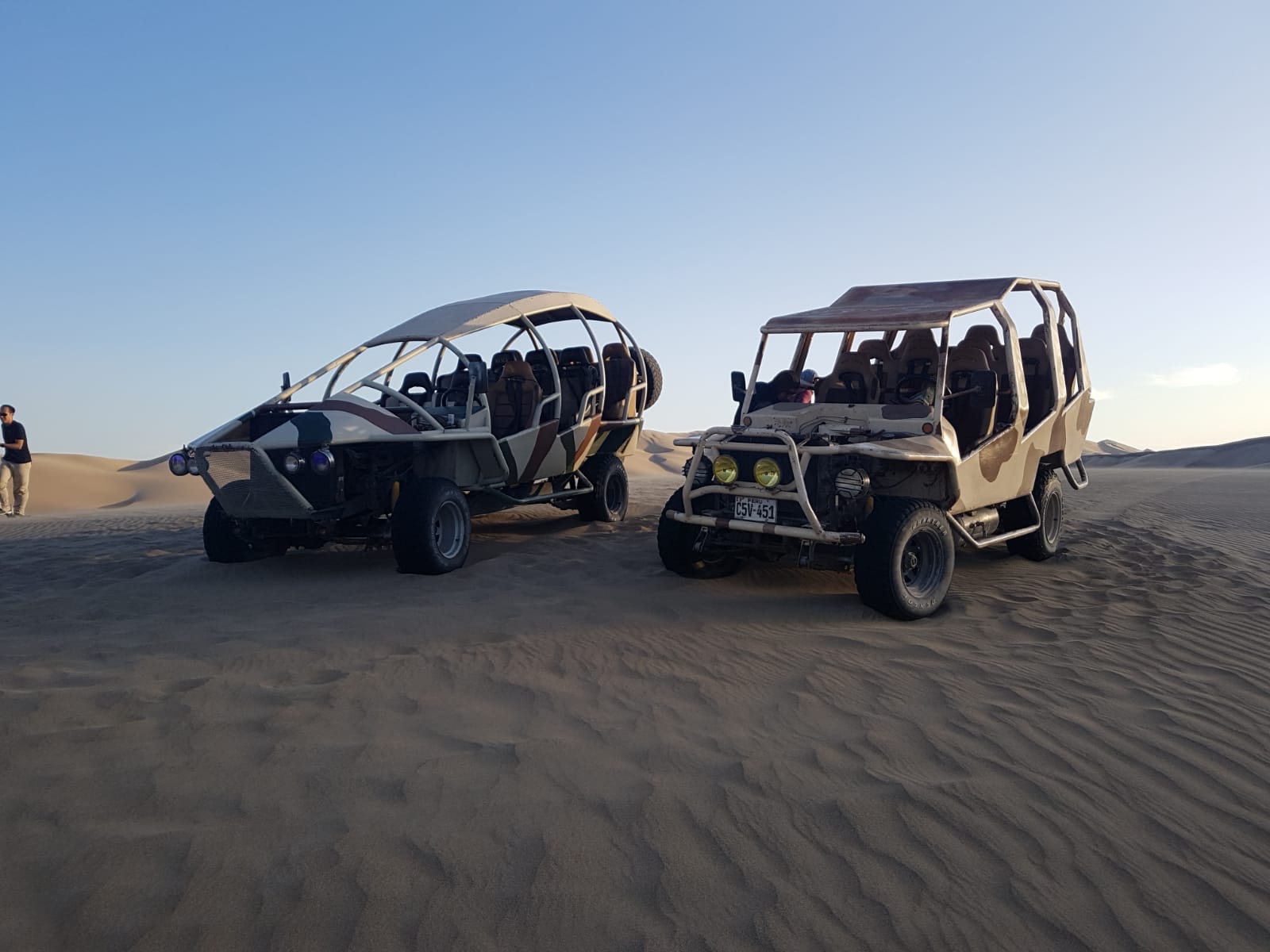
Back down, we headed back to our hotel via the town centre. We gathered our things together and jumped in the pool for a brief dip before heading off on our next trip, where we met some dune buggies and hopped in. Our drivers put the buggies into gear and we were off!
Our first stop was to visit a 1500 year old aqueduct; Nazca was built in the desert, where it averages around 5 hours of rain per year, so the aqueducts formed the basis of the city. Next up was a cemetery, where our guide promised us it was a real skull he was holding…
There were a lot of bones scattered around the ground, and piles of cotton (in which the bodies were wrapped) plus mounds of hair. While the people measured around 150-160cm tall, a huge amount of hair was found which reached around 2m.
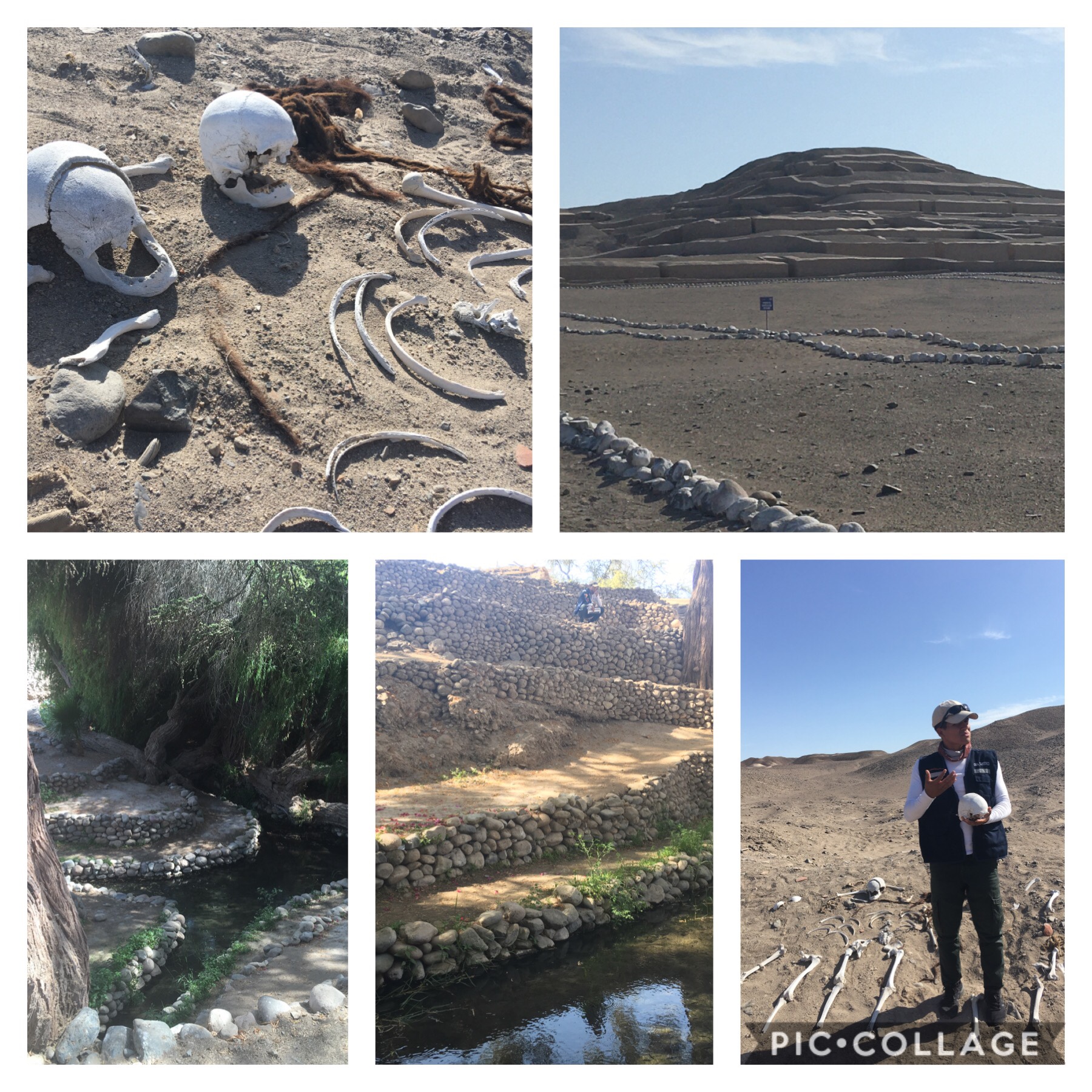
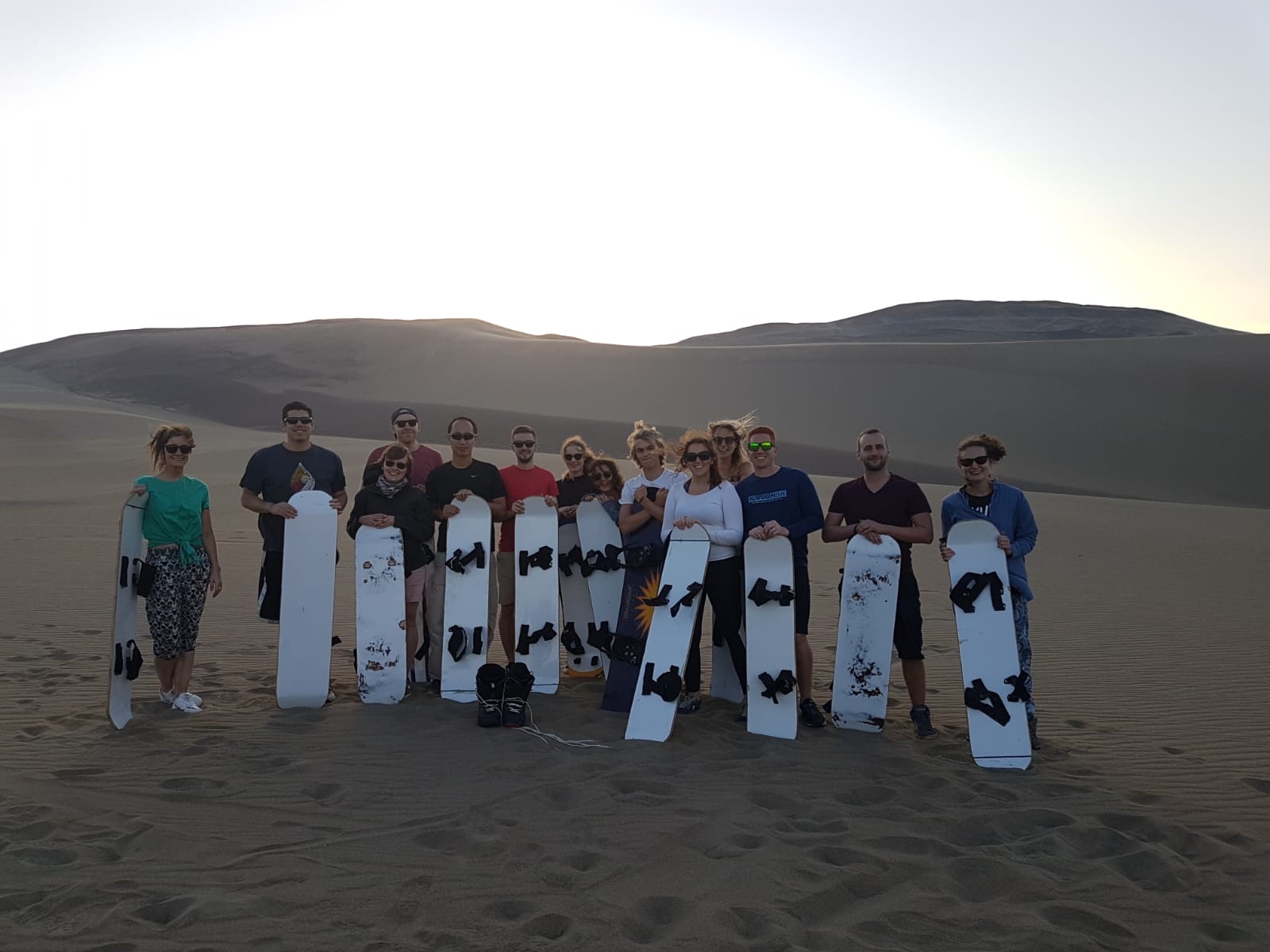
From here, we moved on to the Cahuachi Temple where we held our own sacrifice, (thanks, Tom, for volunteering me). After our history lesson, we moved on to the sand dunes and sandboarding which was absolutely incredible!!
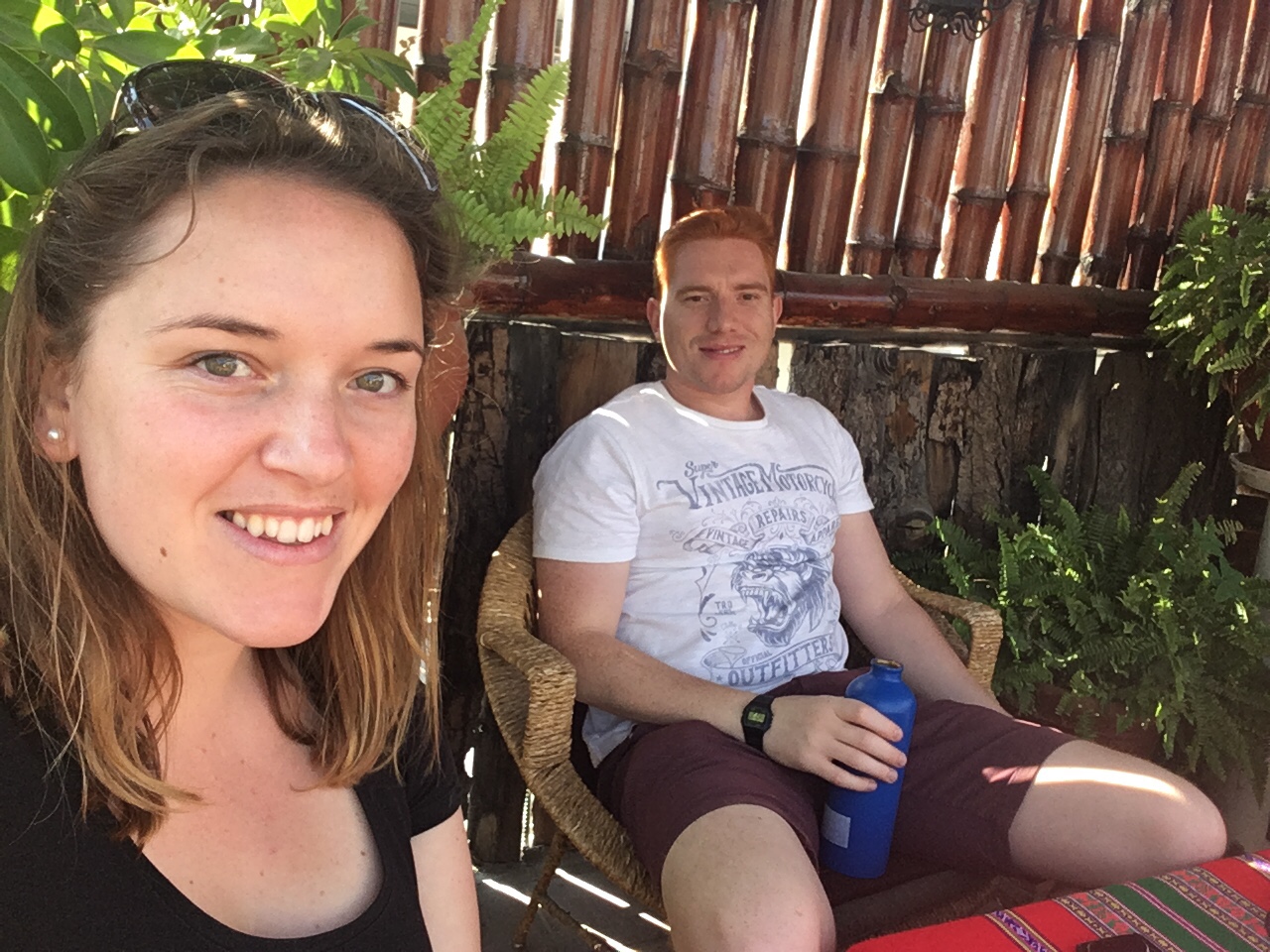
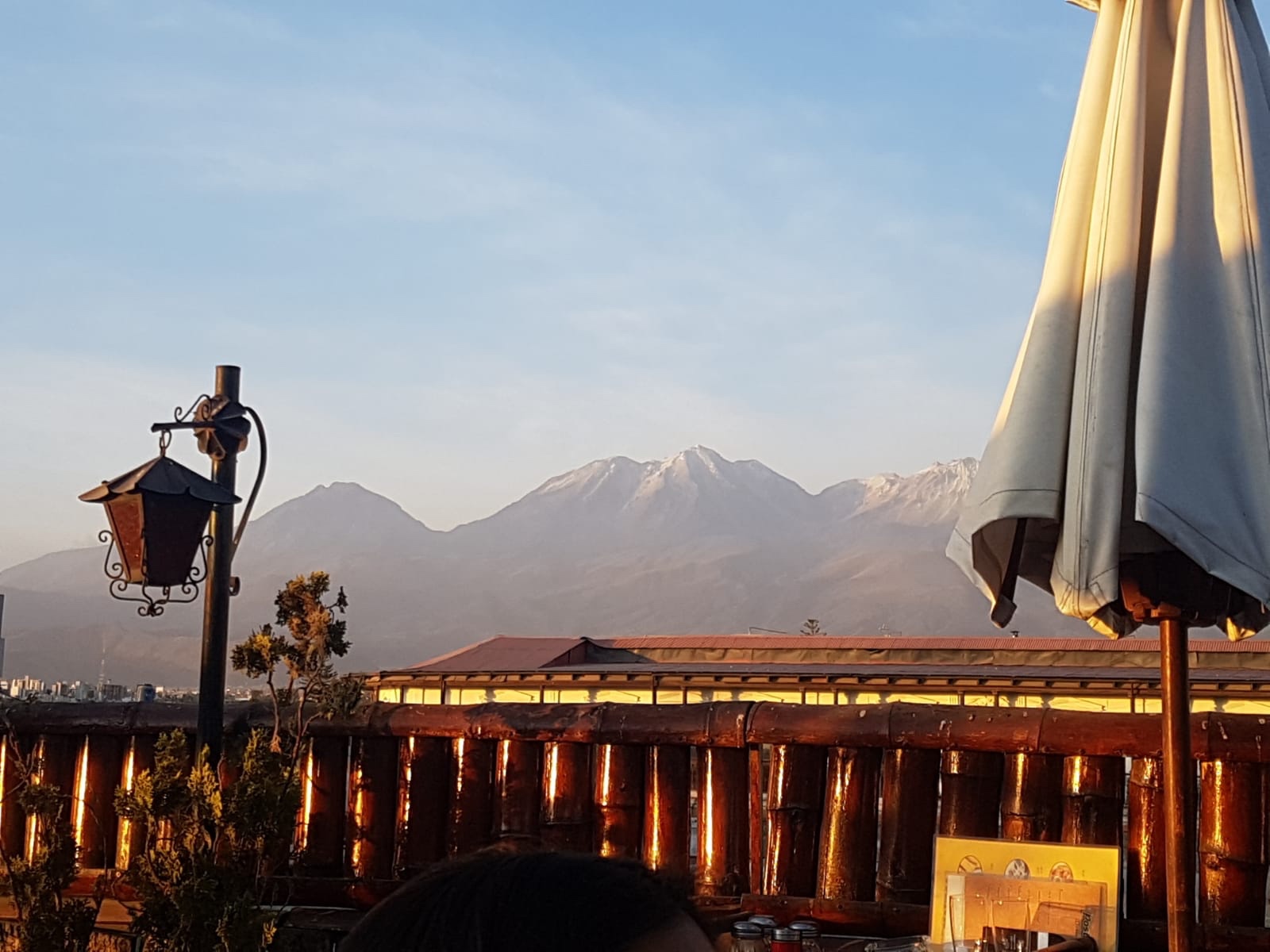
After sandboarding, we caught a night bus to Arequipa, which is 2355m above sea level. We arrived first thing in the morning and went for a wander around the town to find some breakfast. Arequipa was beautiful and there were some gorgeous views to be seen. We also tried queso helado (frozen cheese), so-called due to the way it looks rather than any cheesy ingredients. We also found a street behind the cathedral which had happy hour all day every day, so spent a few hours in the sunshine drinking beer on the roof terrace. It’s a hard life!
Arequipa to Chivay
We absolutely loved both Barranco and Arequipa and enjoyed spending some time just wandering the streets and trying the incredible food, but we also had the best time sandboarding and getting out and about doing things.
This bus took us five and a half hours, and on our journey, we were taught how to chew the leaves properly. Historically, coca leaves were used in offerings to the sun, the earth and the mountains and even now, they are treated with a great deal of respect.
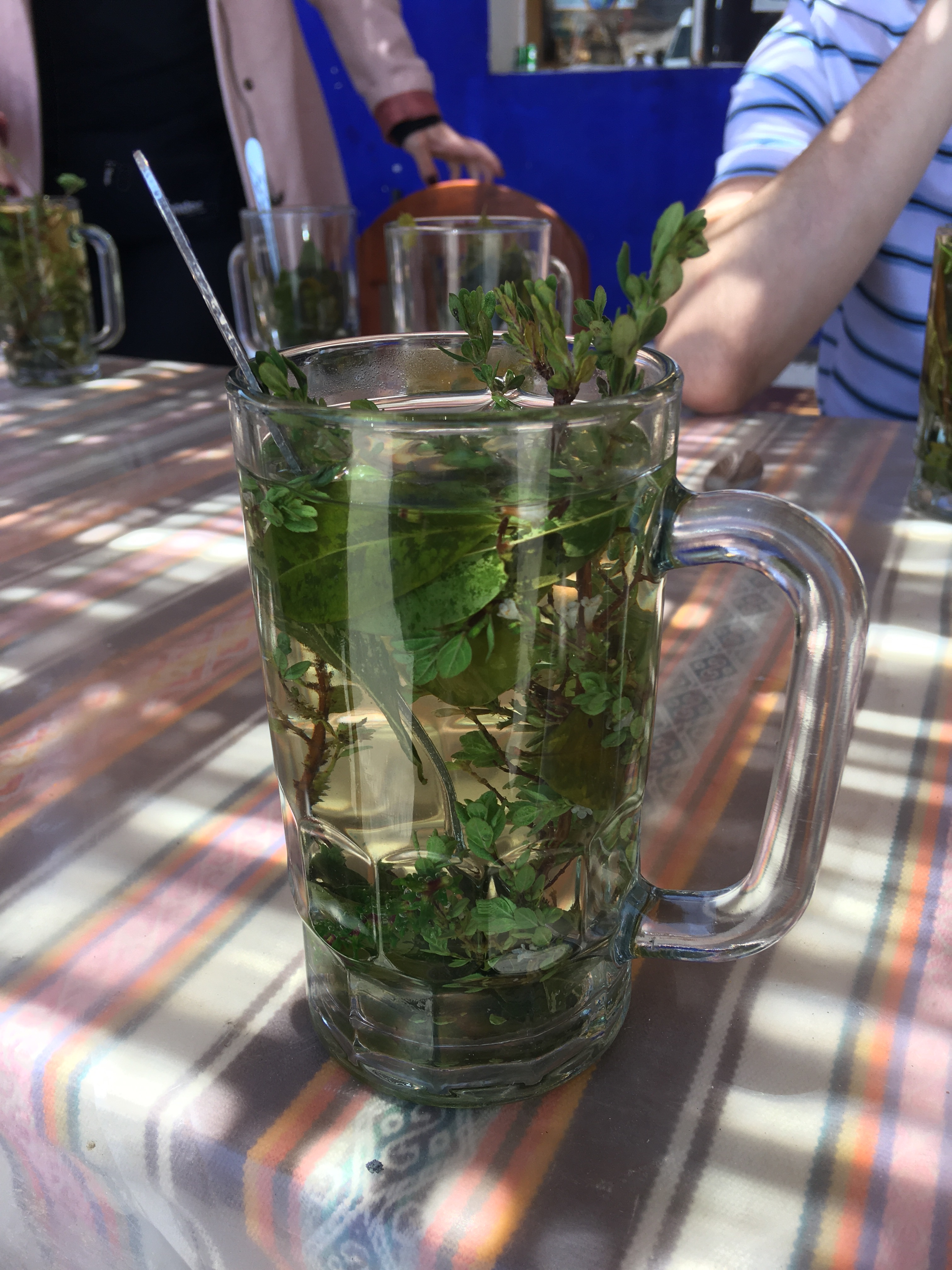
We also stopped at a national reserve where we could see vicuñas, a type of animal similar to llamas and alpacas, with the main difference being that the first are wild, whereas the latter two have been domesticated and farmed. After seeing the vicuñas, llamas and alpacas, we stopped for a mate de inca which was another type of tea, again containing coca leaves but this time also containing herbs typically found in the reserve. The people living in these highlands tend to live a much more remote lifestyle which was more typical of their ancestors. It’s not uncommon to come across women in regional dress selling goods made from alpaca wool. Their homes also tend to be less westernised and are often made from stone, encompassing a yard and some small buildings within it.
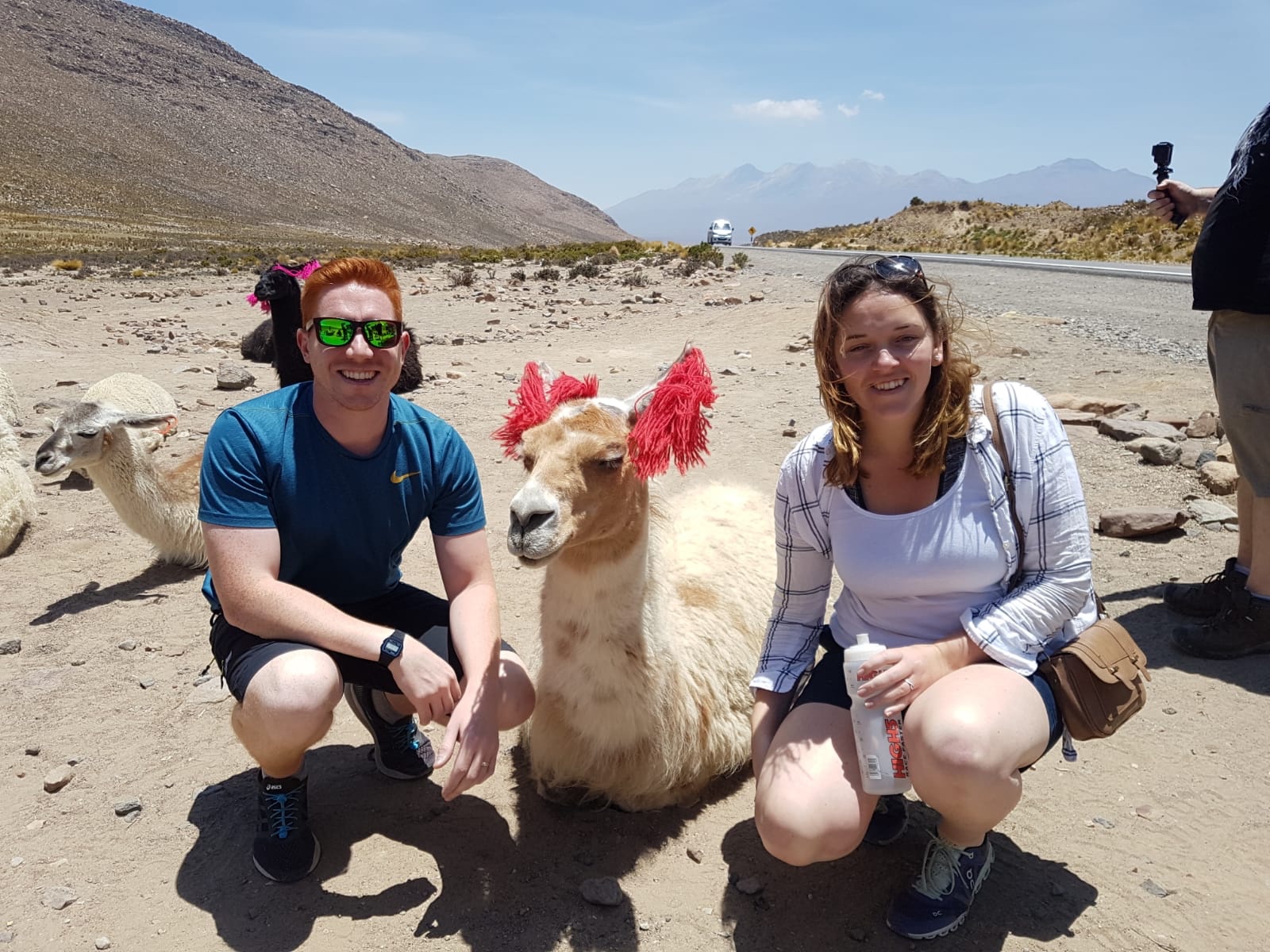
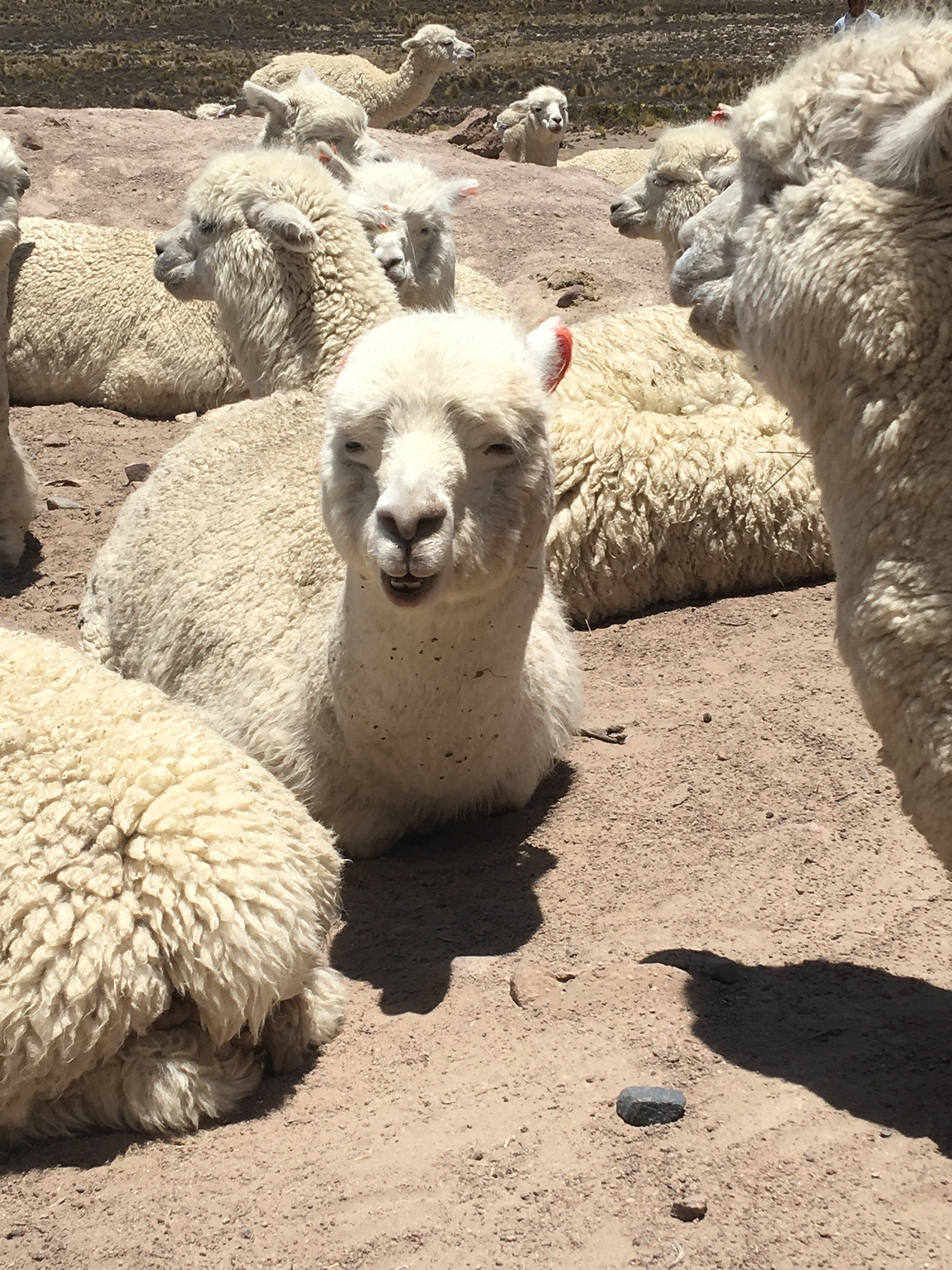
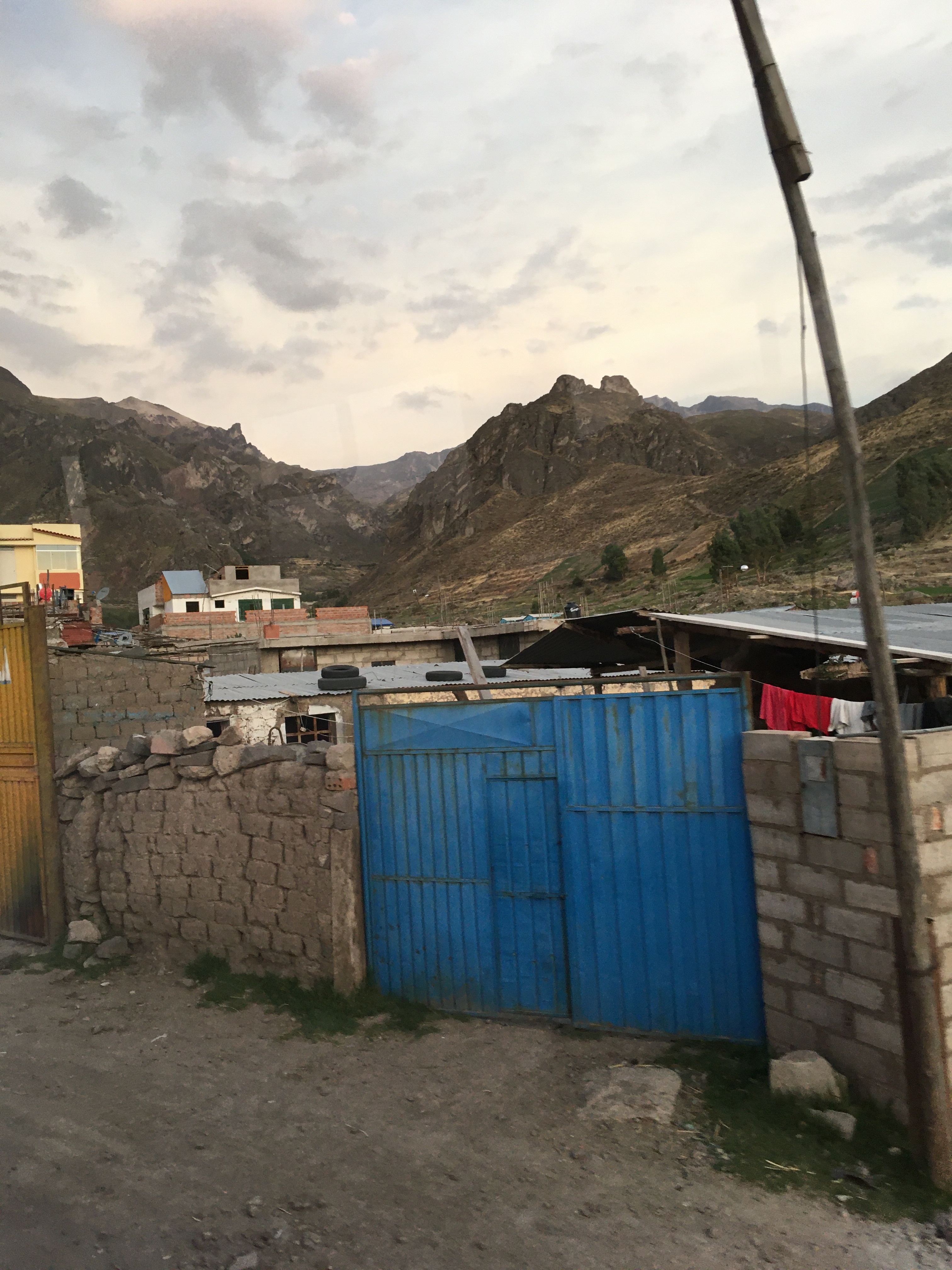
Continuing on with our journey, we made our way to Chivay (pronounced cheev-eye) which is where we would be spending the night. After a buffet lunch where we ate alpaca amongst other typical food, we went for a short walk to see Chivay nestled among the mountains. We were horrified to find that the altitude meant we had to stop every couple of minutes to slow our heart rate and drink some water before we could move on. Machu Picchu suddenly seemed a lot more daunting! We reached the top of the tiny hill without too many problems and admired the view (while all trying to pretend that we were completely fit and fine, and that none of us were having any problems trying to control our breathing). We turned back down and made our way to the bus which took us to the local thermal springs.
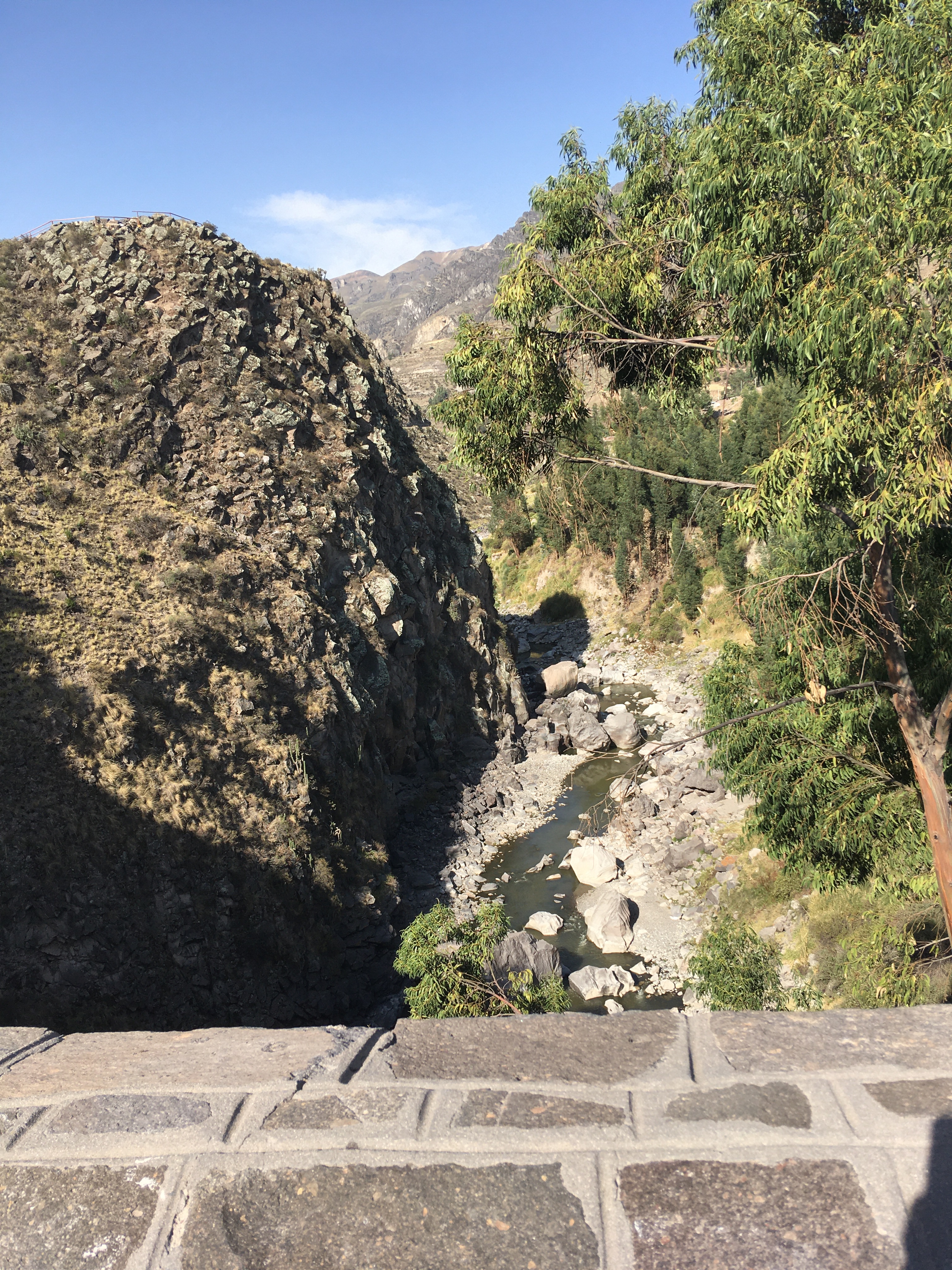
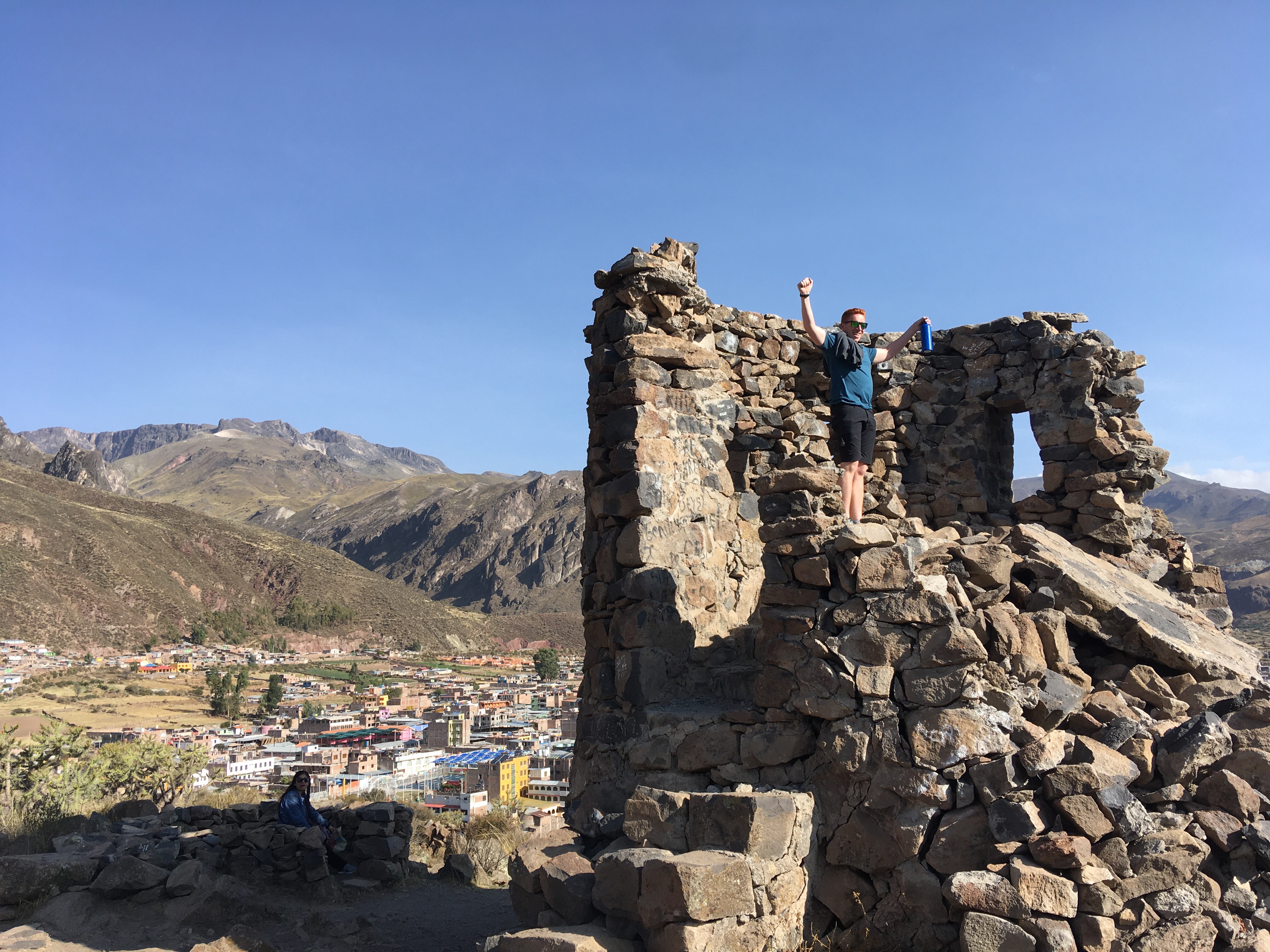
Crazy mountain man fighting with rocks.
Working in Bath and having visited the Roman baths there, I was quietly confident that this trip would be a little disappointing, but I am very pleased to say this was not the case! We headed down a tiny dirt track towards a river at the bottom of the valley and found a small wooden shack where we could pay 15 soles (around £4 per person) to lounge in the pools. While they weren’t as grand or as numerous as the spa back home, they were exactly what we hadn’t realised we needed and our group happily gathered in the first pool. Seating around 12 of us, the water was pleasantly hot and had beautiful views down the valley. In one direction, we could see an old wooden and rope bridge and in the other was a high arch beneath which the river flowed. The wind picked up a little while we were in the pool, and we were lightly showered with cooler water which was very welcome.
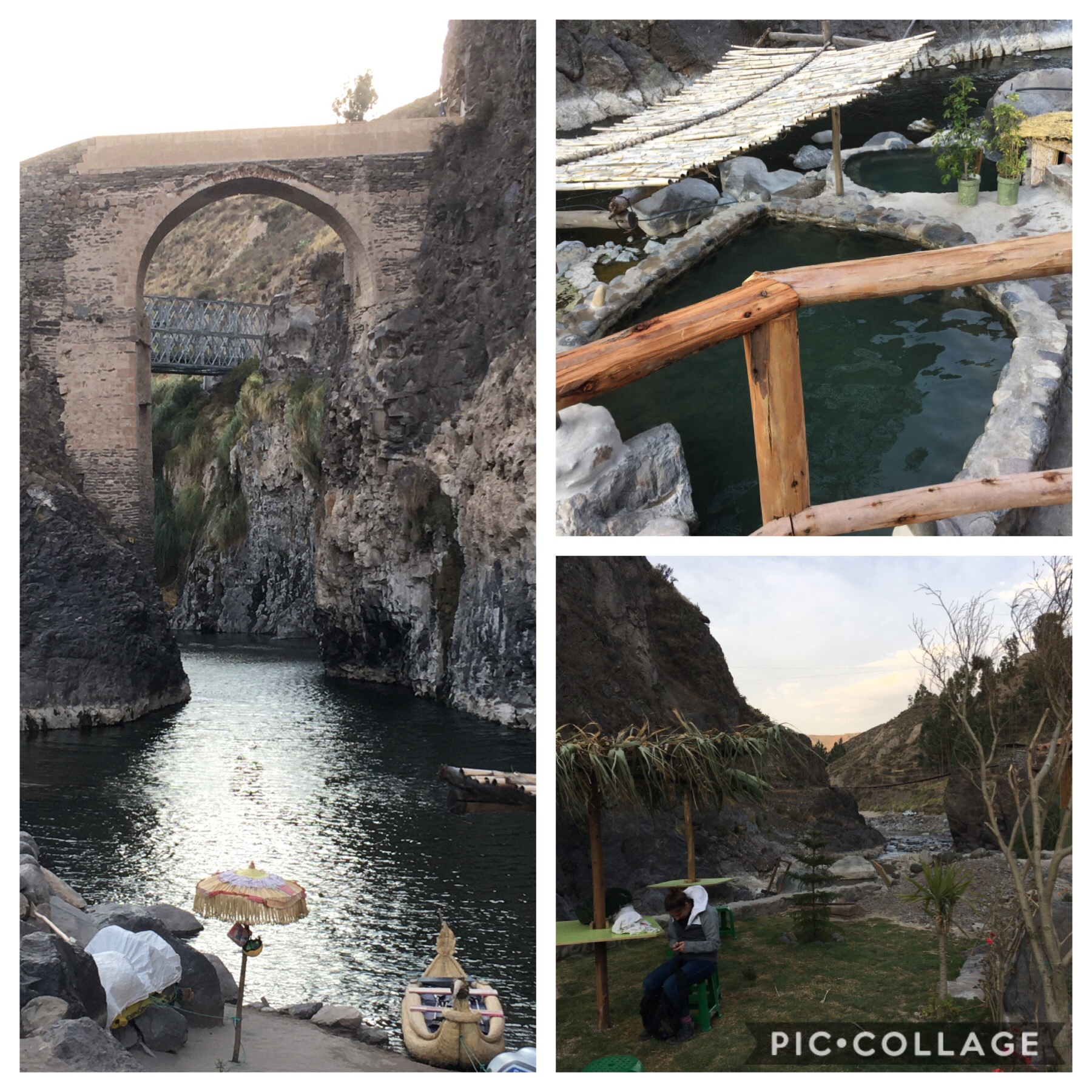
For those of us who found the top pool too warm, we also had the option of the second pool on the lower terrace, or the river itself. These were both slightly cooler and perfect for lounging until we were completely wrinkled and pruney. After a quick change, we headed out for a light dinner and an early night before our early start to Colca Canyon.
This feels like a good place to stop – next up: Colca Canyon, condors and Cusco!
 Honeymoon Bootcamp